


WhatsApp Marketing for UAE Businesses — What to Know Before You Start?
Why WhatsApp Marketing for UAE Businesses Is Becoming Hard to Ignore?
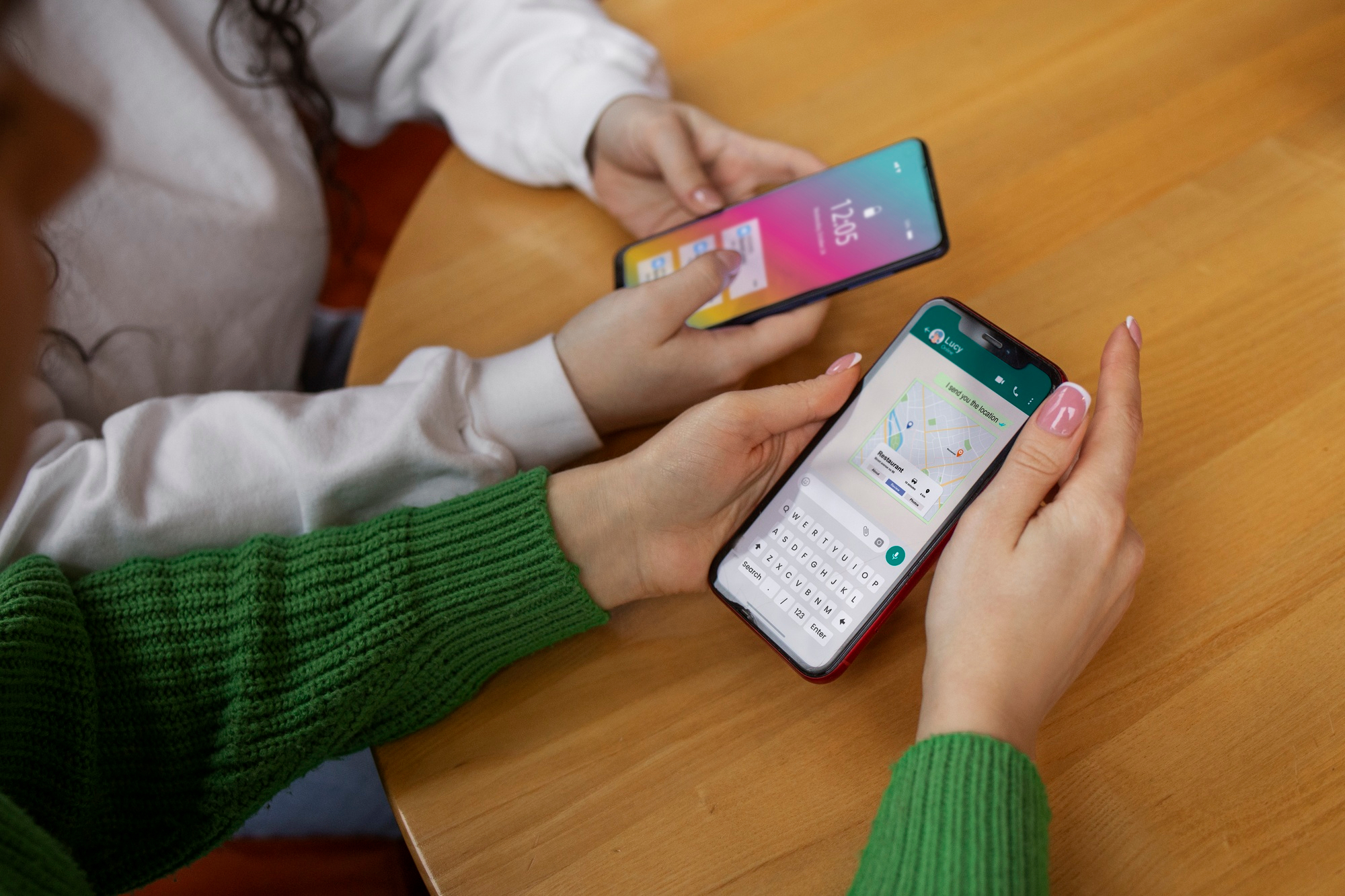
Open almost any UAE resident’s phone and WhatsApp sits somewhere on the home screen, usually among the most-used apps rather than buried in a folder. That single fact explains why so many businesses across the country — restaurants, clinics, real estate brokers, retail brands — have started treating the platform as a serious marketing channel rather than just a customer support afterthought. WhatsApp marketing for UAE businesses has moved from an experiment a handful of forward-thinking brands tried to something closer to standard practice, and the businesses still ignoring it are increasingly the exception rather than the rule.
What makes WhatsApp different from email or SMS isn’t just reach — it’s the tone the platform demands. A promotional email can sit unread for days without much cost to the sender. A WhatsApp message lands in the same thread where someone talks to their family, their landlord, and their closest friends. That proximity is exactly why the channel can work so well when used thoughtfully, and why it can damage a brand quickly when it doesn’t. The platform rewards businesses that treat it like a conversation and punishes the ones that treat it like a billboard.
This is already visible in how far ahead some sectors are. Restaurants and food businesses were among the earliest adopters, largely because ordering and reservations translate so naturally into a chat format — a pattern covered in more depth in the specific ways UAE food businesses are already turning it into a lead-generation channel. But the same underlying behavior — customers preferring a quick chat over a phone call or a web form — shows up just as strongly in clinics booking appointments, real estate brokers sharing listings, and retail brands running flash offers to existing customers.
Part of the appeal is simply how the UAE’s population uses its phones. With one of the highest smartphone penetration rates in the world and a population drawn from dozens of nationalities who already rely on WhatsApp to stay in touch with family abroad, the app isn’t a niche communication tool here — it’s closer to a default utility, checked far more often throughout the day than a personal inbox or an SMS app most people barely open anymore.
Before jumping in, though, a handful of decisions genuinely shape whether the effort pays off or quietly backfires: which type of WhatsApp account actually fits the business, where the legal line on consent sits, what kind of content belongs on the platform at all, how much of it should be automated, and how to tell if any of it is working. Each of those questions gets its own honest look below.
Personal Number, WhatsApp Business App, or the Business API?
Not every business needs the same setup, and getting this choice wrong in either direction — over-investing too early or under-investing for too long — wastes both time and money.
When the Free WhatsApp Business App Is Genuinely Enough?
For a solo operator, a small café, or a boutique service business handling a manageable volume of conversations, the free WhatsApp Business app usually covers everything needed: a catalog of products or services, quick-reply templates for common questions, basic labels to sort conversations, and simple automated greeting messages. There’s no compelling reason to pay for anything more sophisticated if one or two people can comfortably keep up with the inbox without messages sitting unanswered for hours.
A neighborhood tailor or a single-location beauty salon, for instance, rarely needs anything beyond this. The owner or a single staff member can realistically manage bookings, answer pricing questions, and send the occasional reminder directly from a phone, without any of the added cost or setup complexity that comes with a formal API integration.
When a Business Has Outgrown It and Needs the API?
The picture changes once a business needs several team members responding from a shared inbox, wants to connect WhatsApp to a CRM or e-commerce platform, or needs to send templated notifications — order confirmations, appointment reminders, shipping updates — at a volume the free app simply can’t handle cleanly. That’s the point where the WhatsApp Business API, usually accessed through a verified solutions provider, starts to make financial sense rather than feeling like an unnecessary upgrade.
A growing retail brand running promotions across several branches, or a clinic group coordinating appointments across multiple locations, are both fairly typical examples of businesses that hit this ceiling within their first year or two of active WhatsApp use, often faster than they expected when they first started with the free app.
Businesses juggling multiple customer touchpoints — an Instagram page, a website, a WhatsApp number, sometimes a QR code on packaging — often find it worth consolidating every channel behind a single smart link rather than sending customers to a scattered mix of destinations that all need separate updating. It’s a small operational detail, but it removes one more point of friction between a customer’s first tap and an actual conversation.
Coordinating WhatsApp alongside every other channel a growing brand runs — paid ads, email, social content — is also, realistically, the kind of multi-channel campaign coordination outside teams often step in to manage once the number of moving parts outgrows what an internal team can track without something falling through the cracks.
Signs a business has outgrown the free app and needs the API:
- More than one or two people need to respond from the same number.
- Response times are slipping because the inbox has grown faster than the team.
- Order or appointment data needs to sync automatically with a CRM or booking system.
- The business wants to send templated notifications at scale — confirmations, reminders, updates.
Cost is often the deciding factor businesses weigh last, when it should probably come earlier in the conversation. The API itself typically involves a setup cost through a provider plus a per-conversation fee, which only makes sense once message volume is high enough that the efficiency gains — faster responses, fewer missed messages, integrated reporting — clearly outweigh what a small team could handle manually on the free app. Upgrading before that point usually just adds a recurring cost without a matching improvement in results.
The Compliance Question Most Businesses Skip
It’s easy to treat WhatsApp as an informal channel simply because it feels conversational, but the same basic marketing rules that apply to email or SMS apply here too — arguably with less room for error, given how personal the platform feels to the person receiving a message.
Consent and Opt-In — The Line That Gets Crossed Without Businesses Realizing
Having someone’s number, whether collected during a purchase, a booking, or an event sign-up, is not the same as having their permission to send marketing messages on WhatsApp. Genuine opt-in means the customer took a clear, active step — ticking a box, tapping a link, replying to a specific prompt — that says they’re happy to receive promotional content, not just transactional updates about an order they already placed. This distinction sounds minor until a business is fielding a wave of blocked numbers and spam reports from customers who never actually agreed to marketing messages in the first place.
UAE Telecom and Data Protection Considerations Worth Knowing
The UAE’s regulatory environment around digital communications and data handling has tightened steadily, and marketing messages sent without consent can fall under the same scrutiny as unsolicited SMS or telemarketing calls. Businesses collecting phone numbers for any purpose should be storing that data securely, being transparent about how it will be used, and giving customers an easy way to withdraw consent later. None of this needs to be complicated, but it does need to be intentional rather than assumed.
A simple, practical habit covers most of this: keep a record of when and how each contact opted in — a timestamped form submission, a checked box at checkout, a reply to an explicit prompt — rather than relying on memory or assuming a number collected months ago for an unrelated purpose is still fair game for a new campaign.
Why Unsolicited Bulk Messaging Backfires?
Beyond the compliance risk, there’s a practical one: WhatsApp actively monitors for spam-like behavior, and numbers that trigger enough block reports or spam flags can be restricted or banned outright, sometimes with little warning. Losing a business’s primary WhatsApp number this way doesn’t just cost the marketing campaign — it can disrupt every customer conversation running through that number, including the transactional ones customers actually want.
A blocked WhatsApp number doesn’t just end one campaign — it can silence every customer conversation a business depends on, marketing and otherwise.
What Kind of Content Actually Belongs on WhatsApp?
Getting the account type and the compliance basics right still leaves the most important question unanswered: what should a business actually be sending? This is where most WhatsApp marketing strategies for UAE businesses either quietly succeed or quietly fail, regardless of how well the technical setup was handled.
Messages That Build Trust: Order Updates, Appointment Reminders, Personalized Offers
The messages customers tend to welcome are the ones that make their life slightly easier or save them a phone call. A restaurant confirming an order is part of the wider shift toward digital ordering and QR-based menus already underway in UAE restaurants, where the entire ordering experience increasingly lives inside a chat thread rather than a phone call to a busy kitchen.
Real estate brokers have found similar success simply by sending a virtual property tour link the moment a lead shows interest, turning a cold enquiry into an engaged conversation within minutes rather than waiting for a callback that might happen the next day, by which point the lead has often moved on to a competing listing.
Retail and F&B businesses have also gotten smarter about how conversations even begin. Instead of asking a customer to manually save a number and start a chat from scratch, many now rely on a QR code on a table or receipt that opens a chat directly, pre-filled with a relevant message, which removes almost all the friction between a customer’s intent and an actual opt-in conversation.
Used well, this kind of messaging goes beyond a single transaction. It becomes part of turning a one-time diner into a repeat customer without relying on paid ads every time — a periodic, well-timed message reminding a past customer of a new dish or a loyalty reward costs far less than acquiring a completely new customer through paid advertising.
Messages That Erode It: Generic Mass Blasts, Repeated Cold Promotions
On the other side of that same coin sit the messages that quietly damage a brand every time they land in an inbox: generic broadcast promotions sent to an entire contact list regardless of relevance, the same discount code recycled every week until it means nothing, or messages sent at times that feel intrusive — late at night, early on a Friday morning, during a public holiday. Each of these individually seems harmless. Repeated often enough, they’re exactly what pushes a customer to block a number they once opted into willingly.
The underlying test is a simple one: would this message feel useful if it arrived from a friend rather than a business? A reminder that a table booking is confirmed for tonight passes that test easily. A blanket “20% off everything, reply now” sent to a list that hasn’t heard from the business in six months usually doesn’t — it reads as exactly what it is, an attempt to extract a sale rather than continue a relationship.
Content ideas that tend to perform well, by business type:
- Retail: restock alerts for previously viewed items, early access to sales for existing customers.
- F&B: order confirmations, table booking reminders, limited-time menu updates.
- Services and clinics: appointment reminders, rebooking prompts, aftercare follow-ups.
- Real estate: new listing alerts matched to a lead’s stated preferences, viewing confirmations.
Deciding How Much to Automate?
Automation is one of the biggest advantages WhatsApp offers over a phone-based support line, but it’s also where a lot of otherwise good WhatsApp marketing strategy in the UAE quietly goes wrong.
Where Chatbots and Quick Replies Genuinely Help
Automated responses do their best work handling predictable, repetitive questions: business hours, location, standard pricing, order status. A quick-reply menu that lets a customer select “Track My Order” or “View Menu” without waiting for a human response keeps the conversation moving at any hour, and most customers don’t mind interacting with a bot for this kind of straightforward request.
The businesses that get this right tend to design their automated flows around the three or four questions that make up the bulk of their inbox anyway, rather than trying to script every conceivable scenario upfront. A tight, well-tested flow covering the most common requests will always outperform an overly ambitious bot that tries to handle everything and ends up handling nothing particularly well.
Where Automation Needs to Hand Off to a Real Person
The moment a conversation involves a complaint, a custom request, or anything emotionally charged, automation needs to step aside quickly. Nothing frustrates a customer faster than a chatbot looping through the same three unhelpful options while they’re trying to resolve a genuine problem. This is part of the broader move toward virtual assistants and chatbots already underway across UAE SMEs, and the businesses getting the most value from it are the ones that treat automation as a first responder, not a permanent substitute for a person.
Signs automation is doing more harm than good:
- Customers repeatedly typing “talk to a human” or similar phrases.
- Complaint-related messages sitting in the same automated flow as general enquiries.
- No visible option to escalate to a real team member at any point in the conversation.
A useful habit is reviewing a sample of automated conversations every few weeks, specifically looking for moments where a customer seems to be repeating themselves or getting stuck in a loop. Those moments point exactly to where the automated flow needs a rewrite, an added option, or simply a faster route to a human.
How to Know If WhatsApp Marketing Is Actually Working?
Message volume alone tells a business very little. A campaign that reaches ten thousand numbers but converts almost none of them isn’t succeeding just because the send count looks impressive on a report.
Metrics Worth Tracking Beyond Messages Sent
Response rate — how many recipients actually reply — says far more about relevance than delivery numbers ever will. Chat-to-sale conversion, tracked by asking new customers how they found the business or by using a dedicated promotional code inside WhatsApp messages, closes the loop between a conversation and actual revenue. This mirrors the same discipline UAE brands already apply to measuring Instagram engagement — vanity numbers matter less than the ones tied directly to business outcomes.
It’s also worth tracking opt-out rate alongside everything else. A steady trickle of customers unsubscribing or blocking the number after every campaign is an early warning sign that content, frequency, or timing needs adjusting — long before it shows up as a drop in overall reach or a spam flag from WhatsApp itself.
Common Measurement Mistakes That Make a Campaign Look Better — or Worse — Than It Really Is
Counting a message as “delivered” and treating that as a success is one of the most common measurement mistakes on the platform; delivery says nothing about whether anyone read it, let alone acted on it. On the other end, judging a campaign as a failure after a single send, without giving a nurture sequence time to build familiarity over several touchpoints, often kills strategies that simply needed more patience to show results.
A Quick Checklist Before Launching
Before sending the first message, running through a short set of honest questions saves most businesses from the mistakes covered above.
- Has every contact on this list genuinely opted in to marketing messages, not just transactional ones?
- Does the chosen account type — app or API — actually match the expected volume and team size?
- Is there a clear plan for what happens when a customer wants to speak to a real person?
- Are messages timed sensibly, rather than sent whenever is convenient for the business?
- Is there a simple way to measure response rate and conversion, not just messages sent?
For businesses planning to hand this over to an outside team rather than manage it internally, there are things worth checking before letting an outside team run the account entirely — a WhatsApp account carries a business’s direct relationship with its customers, and that’s not something to outsource without clear oversight over tone, timing, and consent practices.
It’s also worth deciding upfront who owns the account long-term. A number set up under an individual employee’s personal device, without a clear handover plan, can become a genuine problem the day that person leaves the company — along with every saved contact, chat history, and customer relationship built through it.
Used with the right setup, honest consent practices, and content that actually respects the person on the other end of the chat, WhatsApp marketing for UAE businesses can become one of the most cost-effective ways to build repeat relationships in a market where customer attention is genuinely hard to earn. The businesses getting the most out of it aren’t the ones sending the most messages — they’re the ones sending messages a customer is actually glad to receive.
Treated properly, it isn’t a shortcut around the rest of a marketing strategy — it’s simply the channel where that strategy finally reaches customers in the same place they already spend most of their day. That distinction, more than any single tactic in this piece, is what separates the businesses still experimenting with WhatsApp from the ones already relying on it.
