


Why Video Content Is Essential for Food Businesses on Social Media in the UAE?
Why Video Content for Food Businesses in UAE Is Outperforming Every Other Format?
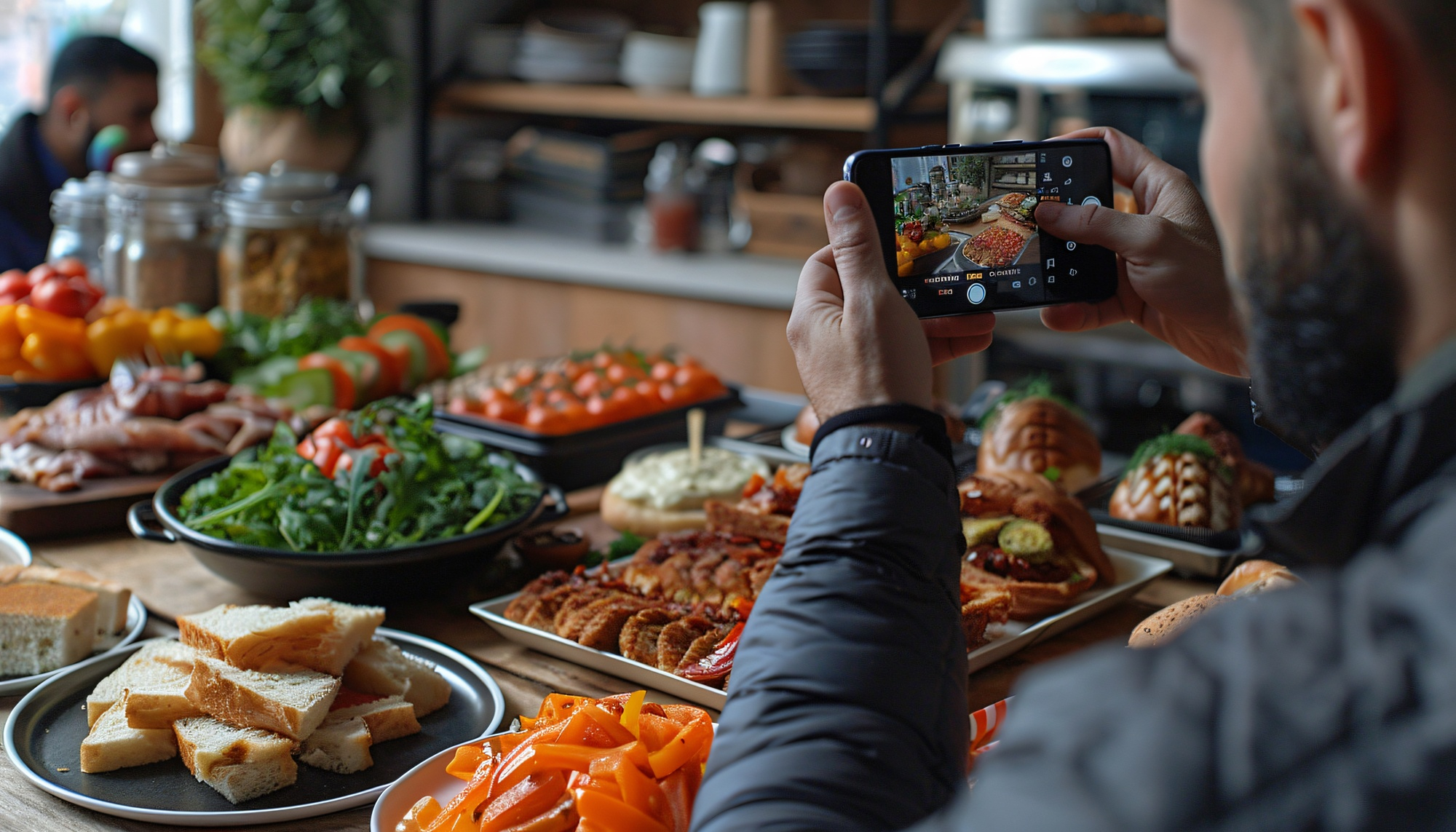
Scroll through any food-focused Instagram or TikTok feed today and the pattern is impossible to miss: a plate spinning under studio lighting, cheese pulling apart in slow motion, a chef’s hands moving fast over a hot pan. Static photography hasn’t disappeared, but it’s no longer what stops the scroll. Video content for food businesses in UAE has quietly gone from a nice extra to something close to a baseline expectation, and the businesses still treating it as optional are increasingly the ones losing visibility to competitors who figured this out first.
Part of this is simply how the major platforms now work. Instagram and TikTok both openly prioritize video in how content gets distributed, meaning a single well-made clip today reaches a far wider audience than the same content posted as a static photo ever would. This mirrors the same shift that’s made video the most effective branding tool for businesses generally across every industry, but food carries an advantage almost no other product category has: it’s inherently watchable, even to someone who has zero intention of buying anything in that exact moment.
Dining decisions, especially among younger residents and diners exploring new spots, increasingly start with a scroll rather than a search. Someone deciding where to eat tonight is far more likely to open Instagram or TikTok and watch a few clips than to browse a list of restaurant websites, and the growing role video already plays across the wider food and beverage industry reflects exactly how central that behavior has become to how people actually choose where to spend their evening.
This shift hasn’t been gradual so much as sudden. A restaurant that would once have relied on a listing in a food guide or a mention from a magazine now finds that a single fifteen-second clip, if it lands well, can bring in more curious first-time visitors in a weekend than either of those channels used to deliver over months. That speed cuts both ways — it rewards businesses that adapt quickly, and it leaves those still posting only static photos increasingly invisible in a feed built around motion.
What Makes Food Genuinely Different From Other Products on Video?
Most product categories can be reasonably well represented by a good photograph. Food is a rare exception, and understanding why explains a lot about why this particular medium has become so effective for the category.
The Sensory Gap Photos Can’t Close
A photo can show color, plating, and portion size. It cannot show steam rising off a bowl of soup, the crackle of a crust breaking under a fork, or the way sauce moves when a dish is lifted. Video closes a meaningful part of that sensory gap — not all of it, nothing replaces actually tasting the food, but enough of it that a viewer’s imagination does the rest of the work a photo simply can’t trigger on its own.
This matters more for some dishes than others. A simple salad photographs perfectly well and rarely needs motion to sell itself. A dish defined by texture — a cheese pull, a crispy exterior giving way to something soft inside, a sizzling plate arriving at a table — loses most of its appeal in a still frame and regains almost all of it the moment motion and sound are added back in.
Video’s Role in Same-Day, Impulse Dining Decisions
A surprising share of dining decisions happen within hours of the meal itself, not days in advance. Someone scrolling during a lunch break, hungry and undecided, is exactly the audience a well-timed video can convert instantly — the gap between seeing a dish and wanting it is far shorter with video than with almost any other content format, simply because the craving it triggers is immediate rather than something to think over later.
This is part of why posting timing matters more for food video than for almost any other content category. A clip posted mid-morning, right as people start thinking about lunch, or mid-afternoon as the evening’s dinner plans start forming, tends to catch viewers at the exact moment they’re most receptive to acting on the craving it creates.
Trust Built by Showing the Process, Not Just the Plate
Video also does something photography structurally can’t: it shows continuity. A clip of dough being kneaded, a wok being tossed, or ingredients being weighed out builds a kind of trust a finished plate alone never communicates — proof that care went into something before it ever reached a table. For a customer weighing an unfamiliar restaurant against a familiar one, that glimpse behind the scenes often tips the decision.
This is especially valuable for newer businesses without an established reputation to lean on. A well-known restaurant can rely on years of word of mouth to earn trust; a business that opened last month has to earn that same trust in the space of a fifteen-second clip, and showing the process honestly is often the fastest way to do it.
The Types of Video Content Working Right Now for UAE Food Businesses
Not all food video performs equally well, and a handful of formats consistently outperform the rest regardless of venue size or budget.
Behind-the-Scenes Kitchen and Prep Videos
Watching a kitchen actually function — the coordination, the speed, the small rituals of prep before service starts — satisfies a kind of curiosity most diners never get to see in person. These clips tend to perform especially well precisely because they feel unscripted, even when they’re carefully shot. A five-second glimpse of a line cook plating during a busy rush often outperforms a fully staged, deliberately composed shot of the same dish sitting still.
Quick Recipe and Process Clips
A fifteen-second version of how a signature dish comes together, sped up and set to music, gives viewers something genuinely useful to save and share, which extends a video’s reach well past the people who saw it the first time it was posted. These clips work particularly well because they double as a kind of proof — a viewer sees the actual ingredients and steps rather than taking a menu description on faith.
Customer Reaction and Testimonial-Style Clips
An unscripted first bite — someone’s genuine reaction to a dish, filmed candidly rather than staged — tends to carry more weight than any written review, because a viewer can see for themselves whether the reaction looks real. A slightly awkward, unpolished reaction often performs better than an obviously coached one, since audiences have grown skilled at spotting content that feels manufactured.
Staff Personality and Culture Content
Diners increasingly want to feel some connection to the people behind a business, not just the food itself. A short clip introducing the head chef, or a lighthearted moment from the team during a shift, humanizes a brand in a way a menu photo never could. This kind of content also tends to build loyalty among existing customers, who start recognizing and following individual team members rather than just the business account.
Content Built Around Delivery and Online Ordering
With so much food consumption now happening through delivery rather than a physical visit, video showing an order being packed carefully, or a courier picking it up fresh, reassures a customer who never sets foot inside the venue. This works best alongside one consolidated link handling every delivery platform and ordering channel at once, so a viewer who’s convinced by the video isn’t then left hunting across several apps to actually place an order.
Video ideas worth testing, by venue type:
- Fine dining: plating in slow motion, a chef explaining the inspiration behind a seasonal dish.
- Casual café: latte art in progress, a quick tour of daily fresh pastries as they come out of the oven.
- Cloud kitchen: a packing and delivery walkthrough that mirrors the same digital-first setup cloud kitchens already rely on for their menus.
- Food truck: the setup process at a new location, and a quick look at the crowd during a busy service.
The Role of Influencers and User-Generated Content in UAE Food Marketing
No discussion of food video would be complete without acknowledging how much of it isn’t produced by the businesses themselves at all.
Why UAE’s Food Influencer Culture Is Unusually Large and Active?
Few regions in the world have as dense and active a food-content creator community as this one, with dedicated review accounts, taste-testers, and lifestyle creators regularly covering new openings and menu launches. This ties closely into the wider Instagram-first approach already reshaping how UAE F&B brands market themselves, where a single well-placed creator visit can generate more genuine reach in a day than weeks of a business’s own posting.
This density of creators also means competition for their attention is real. A generic invitation offering a free meal in exchange for a post rarely stands out anymore; creators who cover new openings constantly tend to respond better to a genuinely distinctive dish, story, or angle worth featuring, rather than simply being one more restaurant in a long list of similar requests.
Micro-Influencers vs. Big-Name Food Accounts — Where the ROI Actually Sits
A large, well-known food account brings reach, but a smaller creator with a genuinely engaged, niche following often converts better, simply because their audience trusts their taste more personally. For most food businesses working with a limited budget, a handful of well-matched smaller creators tends to produce a better return than a single expensive placement with a big name whose audience may not even be local.
A useful way to think about this: a bigger account might get a video in front of more eyes, but a smaller, trusted creator gets it in front of the right eyes — people already inclined to try somewhere new because that specific creator recommended it, rather than people passively watching content from an account they follow for entertainment rather than restaurant recommendations.
Turning Customer Phones Into a Free Content Pipeline
The most cost-effective content source is often already inside the venue: regular customers filming their own meals. A visually distinctive dish, a fun in-house detail worth filming, or a simple incentive to tag the business when posting can turn ordinary customers into a steady, unpaid stream of authentic footage that a paid shoot could never fully replicate.
A small, well-designed detail on the table — a striking dessert presentation, an unusual serving vessel, a dish that arrives with some visual flourish — often does more to encourage this kind of organic filming than any explicit request ever could. People film what looks worth sharing; the job of the business is simply to give them something that does.
Building Video Content Around the Seasonal and Cultural Calendar
Food consumption habits shift dramatically across the year, and video content that ignores this rhythm misses some of the biggest opportunities available to it.
Ramadan and Iftar — The Single Biggest Content Opportunity of the Year
For any food business, the weeks around Ramadan represent a complete shift in dining behavior — iftar bookings, suhoor menus, and family-style sharing platters all become central to what customers are searching for. Video built specifically around this period, showing iftar spreads being prepared or a suhoor menu coming together, tends to draw attention that a generic, year-round post simply can’t compete with during that specific window.
Timing matters as much as content here. Posting iftar-focused content too early, before people are actively planning where to break their fast, wastes the opportunity just as much as posting it too late once bookings for the season are already locked in. A short content calendar mapped against the weeks leading up to and through the month tends to outperform content created reactively, day by day.
National Day, Eid, and Other Cultural Moments Worth Planning Around
Beyond Ramadan, moments like Eid celebrations and National Day carry their own dining patterns — celebratory set menus, family gatherings, and themed specials all give a business a natural, timely reason to create content that feels relevant rather than generic. Planning a small content calendar around these moments in advance avoids the scramble of trying to produce something meaningful the week of the event itself.
Even a modest gesture — a dish plated with a subtle nod to the occasion, or a short clip of the team preparing for a celebratory rush — tends to feel more genuine than an overtly promotional post, and genuine is almost always what performs best around moments that carry real cultural meaning for the audience watching.
Adapting Content for the Summer Shift Toward Indoor, Delivery-Heavy Dining
As outdoor temperatures climb and dine-in traffic shifts toward delivery and indoor comfort, content naturally needs to follow that behavior — leaning more heavily into delivery-focused clips, cooling menu items, and indoor ambience rather than outdoor seating shots that no longer reflect how customers are actually engaging with a venue during that stretch of the year.
This is also a period where content emphasizing comfort and convenience tends to resonate more than content emphasizing atmosphere or occasion. A quick clip showing how fast and fresh a delivery order arrives often does more work during these months than a beautifully shot dining-room video nobody is currently in the mood to book a table for.
Platform Considerations — Reels, TikTok, and Where Effort Should Go
Not every platform deserves equal attention, and spreading effort too thin across all of them usually produces weaker results than focusing deliberately on one or two.
Instagram Reels vs. TikTok for UAE Food Brands
Instagram Reels tends to reach an audience already primed to make a dining decision, since so much restaurant discovery already happens natively on the platform. TikTok often reaches a younger, more discovery-driven audience willing to travel further for something that looks genuinely worth the trip. This distinction echoes why the platform has become one of the most powerful branding tools for UAE entrepreneurs generally — the two platforms reward slightly different content styles, and a clip built for one rarely performs identically when reposted unchanged on the other.
YouTube Shorts and Long-Form as a Secondary Channel
YouTube Shorts can extend the reach of content already produced for Reels or TikTok with minimal extra effort, while longer-form YouTube video suits deeper content — a full mini-documentary on a restaurant’s story or a chef’s background — that doesn’t fit the short-form format but still has real audience value for a smaller, more dedicated segment of followers.
Posting Frequency and Consistency Over Production Value
A business posting three modest, phone-shot clips a week will typically outperform one posting a single beautifully produced video every couple of months. Platforms reward accounts that show up consistently, and audiences build a habit of checking in on a feed they know updates regularly — a habit a sporadic posting schedule never gets the chance to form.
It’s worth resisting the urge to chase every new platform feature or trend simultaneously. Getting genuinely good at one or two content formats on one primary platform, posted reliably, tends to build stronger long-term results than spreading thin, inconsistent effort across every available channel at once.
Making Video Work Without a Big Production Budget
None of the content types covered above require professional equipment, which is good news for the vast majority of food businesses operating without a dedicated marketing budget.
Smartphone-Shot Content That Still Performs
A recent smartphone, decent natural lighting, and a steady hand — or a basic tripod — cover the technical requirements for the overwhelming majority of high-performing food content. Viewers generally respond more to authenticity and timing than to cinematic polish, which levels the playing field considerably for smaller, independent venues.
Batching and Repurposing — Getting More From One Shoot
A single afternoon of filming — covering prep, plating, a staff moment, and a customer reaction or two — can realistically be cut into four or five separate short videos, spaced out across a couple of weeks. This batching approach turns one dedicated content session into a sustainable pipeline, rather than requiring a fresh filming effort before every single post.
When It’s Worth Bringing In Outside Help?
Once a business has validated that video genuinely drives results, investing in slightly better lighting, occasional professional editing, or food photography sharp enough to hold its own beside a video-first feed becomes a reasonable next step — the goal isn’t a full production studio, just enough polish to keep the content feeling intentional rather than careless.
Common Video Content Mistakes UAE Food Businesses Should Avoid
A handful of recurring mistakes explain why some businesses invest heavily in video and still see little return, and most of them sit alongside the broader digital marketing challenges UAE food businesses are already navigating more generally.
- Over-polished content that looks like a television commercial rather than something native to social media, which tends to feel out of place in a casual scrolling feed.
- Skipping captions or on-screen text, which matters enormously for a multilingual audience often watching with the sound off.
- Posting in short, enthusiastic bursts and then disappearing for weeks, which resets whatever momentum the previous videos built.
- Filming in a way that never shows visible cleanliness or hygiene standards, missing an easy, reassuring trust signal.
- Ending a video with no clear next step — no visible link, location, or ordering option for an interested viewer to act on immediately.
Measuring Whether Video Is Actually Driving Business
Views and likes feel satisfying, but they don’t pay rent, and a business that stops at those numbers has no real way of knowing whether its video strategy is working.
Vanity Metrics vs. Metrics That Matter
View count and likes measure reach and initial appeal, nothing more. Saves and shares are a better signal, since a viewer only bothers with either when the content genuinely resonates enough to want it again later or to show someone else. Comments asking about location, pricing, or availability are stronger still — they represent someone actively moving toward a decision, not just passively enjoying a clip.
A video with a hundred thousand views and no bookings didn’t fail to reach people — it failed to give them a reason to act.
Connecting Video Views to Real Covers and Orders
The most reliable way to close this loop is simply asking new customers how they heard about the business, and tracking any spikes in bookings or orders against specific video posts. Over time, this builds a rough but genuinely useful picture of which content style is actually turning that visibility into actual leads, not just views, which matters far more than any single metric inside the platform’s own analytics dashboard.
Building a Sustainable Video Habit, Not a One-Off Campaign
The businesses seeing the strongest long-term results from video rarely got there through one viral moment. They got there by treating content creation as a routine part of running the business — filming a little during most services, posting consistently, and refining based on what the numbers actually show over months rather than days.
This consistency is ultimately what separates a business that occasionally posts a good video from one genuinely turning a one-time viewer into a repeat customer walking through the door on a predictable basis. A single viral clip might bring a rush of curious visitors for a week, but it’s the steady, unglamorous rhythm of regular posting that keeps a business visible long after that initial spike fades.
Approached this way, video content for food businesses in UAE stops being a marketing campaign with a start and end date and becomes closer to a habit the business simply maintains, the same way it maintains its kitchen prep or its supplier relationships. The venues thriving on social media a year from now won’t necessarily be the ones with the biggest production budgets today — they’ll be the ones who never stopped filming.
Getting started rarely requires waiting for the perfect camera, the perfect lighting setup, or a fully planned content calendar. It usually just requires filming the very next thing that happens in the kitchen today, and treating tomorrow’s service exactly the same way.
