


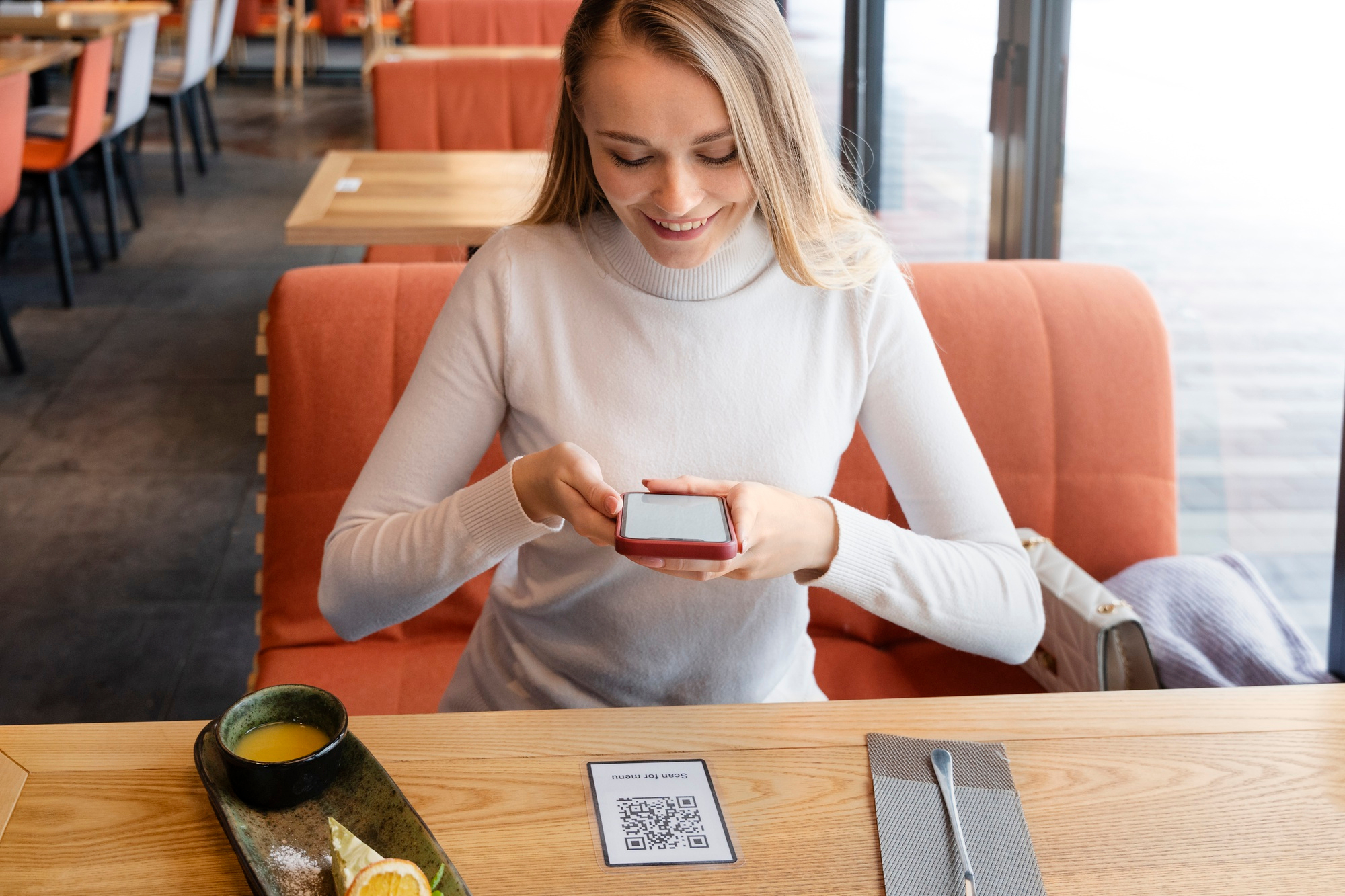
Building a Restaurant Loyalty Program in the UAE That Keeps Diners Coming Back
Walk into any mall food court in Dubai on a Friday night and the story writes itself: queues past the escalators, servers moving at double speed, every table full. It looks like success. For a lot of restaurants, though, that crowd only tells half the story — because most of the people filling those seats tonight won’t be back next month.
That’s the quiet problem sitting underneath the UAE’s booming food and beverage scene. New venues open constantly across Dubai, Abu Dhabi, and Sharjah, each one competing for the same finite pool of hungry diners. Getting someone through the door once has never been easier — social media, food delivery apps, and word of mouth take care of that. Getting them to come back a second time, and a third, is where most restaurants quietly lose money without ever realizing it.
This is where loyalty programs and QR codes stop being two separate ideas and start working as one system. Used well, the pair turns a single visit into an ongoing relationship, without asking diners to download anything new or carry another card in their wallet. What follows is a practical look at why that combination matters, how to actually build it, and where UAE restaurant owners most often trip up along the way.
Why a Restaurant Loyalty Program in the UAE Matters More Than Ever?
Ask any operator what their biggest marketing expense is, and most will point to the same thing: getting new faces through the door. Paid ads, influencer collaborations, delivery-app placements — the spend adds up fast, and none of it guarantees the guest ever returns. Acquiring a new diner can cost five to twenty-five times more than keeping an existing one satisfied, which is exactly why more operators are shifting budget toward smart digital marketing tactics built around repeat customers instead of chasing first-time footfall alone. Once that math sinks in, a restaurant loyalty program in the UAE stops looking like a nice-to-have and starts looking like the cheapest growth lever most operators aren’t fully using yet.
The competitive backdrop makes this even more pressing. Dubai alone is home to thousands of restaurants and cafés, and Abu Dhabi and Sharjah aren’t far behind. A diner genuinely has endless choice, and very little reason to return to any single venue out of habit alone unless something gives them a reason to. Add a customer base split between long-term residents, expats on renewable visas, and tourists passing through for a week or two, and it becomes clear that no single retention tactic works on everyone. Some diners need a discount to come back. Others just need to feel remembered.
It’s worth noting that loyalty doesn’t always require sophisticated technology to take root in the first place. Some of Dubai’s most quietly successful hidden gem restaurants have built loyal followings on nothing more than consistent food and word of mouth — no app, no points system, no marketing budget to speak of. That’s proof that repeat business is achievable at any price point. The real opportunity for most restaurants is pairing that same instinct for consistency with tools that make it scalable across hundreds of guests instead of a handful of regulars.
A few reasons repeat diners are worth protecting deliberately:
- They typically spend more per visit than first-timers, because trust removes hesitation from ordering.
- They refer friends and family without being asked, which is marketing no paid campaign fully replicates.
- They cost far less to keep engaged than winning a stranger’s attention in a crowded social feed.
- They’re more forgiving of an off night, because the relationship was never built on a single meal.
The First-Time Diner Problem — Why Most Guests Never Come Back?
Picture a typical first visit. A guest finds a restaurant through Instagram or a friend’s recommendation, has a genuinely good meal, pays the bill, and leaves. From the restaurant’s side, that transaction is now complete — and, more often than not, so is the entire relationship. No one captured a phone number. No one asked whether they’d like to hear about new dishes. The guest walks out the door and, statistically, doesn’t walk back in.
This isn’t a failure of hospitality. It’s a gap in the system. Most restaurants are set up to serve the meal in front of them, not to build a bridge to the next one. The UAE’s food and beverage industry has its own particular version of this challenge, sitting alongside the wider set of digital marketing challenges UAE food businesses face every day, from social media fatigue to rising acquisition costs on paid platforms.
The hidden cost of these missed connections adds up quietly. Every marketing dirham spent bringing a first-time guest through the door delivers a single transaction and then evaporates, instead of compounding into a stream of future visits. Multiply that across a full year of walk-ins, and a restaurant that never asks “how do we see this person again?” is effectively paying full acquisition price for every meal it ever sells — a genuinely expensive way to run a business in a market this crowded.
How QR Codes Are Becoming the Bridge to Repeat Business?
The Evolution of QR Codes in UAE Restaurants
QR codes didn’t arrive in the region’s restaurants as a loyalty tool. They arrived as a hygiene fix. During the pandemic, printed menus felt risky, and a small black-and-white square that opened a digital menu on a guest’s own phone solved the problem overnight. What’s more interesting is what happened after the health concern faded: restaurants kept the codes anyway, because guests had come to expect them.
That shift from emergency measure to permanent fixture shows up clearly in the leap from simple PDF menus to fully interactive digital menus now common across Dubai’s restaurant scene, complete with live pricing, dietary filters, and photography built in. The code on the table stopped being just a menu-delivery mechanism and started becoming something closer to a data channel — one that, set up correctly, can capture a loyalty sign-up just as easily as it displays a list of appetizers.
Why QR Technology Works So Well With UAE Diners?
There’s a reason this technology took off here faster than in many other markets. QR code marketing in the UAE rides on some of the highest smartphone penetration rates in the world, paired with a population genuinely comfortable doing everyday tasks — paying bills, hailing a taxi, checking in for a flight — entirely from a phone screen. That comfort transfers directly to dining, and it’s part of why the smartest restaurant loyalty programs in Dubai and beyond now treat QR codes as core infrastructure rather than a passing trend.
For restaurant owners, that context matters. It means asking a guest to join a QR code loyalty program isn’t asking them to learn something new. It’s asking them to do something they already do dozens of times a day, just pointed at a slightly different outcome.
Industry estimates suggest fewer than a third of first-time restaurant guests ever return — while the diners who do come back typically spend well over half again as much per visit as someone walking in for the first time.
Building a Loyalty Program Diners Will Actually Use
Building a restaurant loyalty program in the UAE that guests actually use starts with choosing the right model, not the flashiest technology. A digital loyalty program for restaurants that nobody signs up for is worse than no program at all — it’s wasted design time and a missed chance to gather data on guests who might have engaged if the ask had simply been easier.
Choosing the Right Loyalty Model
There’s no single correct format. Points-per-spend rewards work well for higher-frequency venues like cafés, where small, regular purchases add up naturally. Stamp or punch-style cards suit casual dining with fairly consistent ticket sizes — order five coffees, get the sixth free, no math required on either side. Tiered or VIP structures fit venues with a strong regular crowd willing to chase status, while digital wallet passes work almost anywhere, because they live where the guest’s phone already lives without needing a dedicated app.
What ties these models together, when done well, is that the technology becomes invisible. Restaurants that treat QR codes as loyalty infrastructure rather than just a menu tool report enrollment rising sharply compared with older sign-up methods like paper forms or manual phone-number collection — one more sign that QR code–driven marketing has become essential infrastructure for restaurants and cafés across the UAE, not just a passing convenience. The lesson is straightforward: whatever model a restaurant chooses, the moment of joining has to be nearly frictionless, or most guests simply won’t bother.
Where QR Codes Fit Into the Loyalty Journey?
In practice, the QR code shows up at several points along a guest’s visit, and each one serves a slightly different purpose. A code on the table tent or bill lets a guest scan while waiting for the check, turning dead time into enrollment time. A code printed on takeaway packaging or delivery bags extends the same invitation to guests a restaurant would otherwise never meet in person — useful for converting delivery-only customers into dine-in regulars. A code tied to WiFi login captures details the moment someone connects, often without needing to ask twice.
None of this requires building anything from scratch. Purpose-built QR platforms for restaurants now bundle loyalty and promotions directly alongside the menu and payment functions restaurants already rely on. And because a code is only as good as what it opens onto, the design of the menu behind it genuinely matters — guests judge a restaurant’s professionalism in the seconds after they scan, which is exactly why a well-designed QR menu pulls its weight far beyond simply listing dishes.
A Practical Framework — From First Scan to Second Visit
Turning a single scan into a lasting relationship follows a fairly predictable arc — one that’s easier to describe than most restaurants expect.
Make Enrollment Effortless
The single biggest killer of loyalty sign-ups is friction. Ask a guest to download a dedicated app for a free dessert, and most will decide it isn’t worth the storage space. Ask them to fill in a form with ten fields, and half will abandon it halfway through. The winning approach removes every unnecessary step: scan, enter a phone number or connect a wallet, done.
Tools built specifically around this kind of low-friction flow have become far more accessible than they used to be. A WhatsApp-based ordering and enrollment tool like Meno lets a guest scan a code, browse a menu, and place or confirm an order without ever leaving the messaging app already open on their phone — no separate account, no new interface to learn. Whatever platform a restaurant chooses, every extra tap is a guest who might not finish.
Give an Immediate Reason to Return
Enrollment alone doesn’t create loyalty — it just opens the door. The moment someone joins, they should walk away with a concrete reason to come back, whether that’s a small discount on their next visit, a free item after their next purchase, or early access to a new menu item. Waiting weeks to deliver the first reward loses the momentum of that initial good experience.
This is also where the data captured at enrollment starts earning its keep. Restaurants using QR-linked customer data to power personalized offers can tailor that first follow-up to what the guest actually ordered, rather than sending a generic blast to everyone on the list. A guest who ordered a vegetarian main gets a vegetarian-focused offer; a guest who came in for weekend brunch gets a weekend-specific one. Small as it sounds, that relevance is often the difference between a message that gets opened and one that gets ignored.
Follow Up Without Feeling Intrusive
Where restaurants tend to go wrong is in the follow-up itself — sending too much, too generically, too often. The better path is a light touch: a handful of well-timed messages a month rather than a daily stream of offers that trains guests to tune out. WhatsApp has become a particularly effective channel for this kind of light-touch communication in the region, given how naturally guests already use it to message businesses directly. Exclusive, WhatsApp-only offers, a core part of using WhatsApp marketing to generate leads for food businesses in the UAE, make loyalty members feel genuinely looked after, rather than just another name on a mailing list.
Common Loyalty and QR Code Mistakes UAE Restaurants Should Avoid
Even restaurants with good intentions tend to trip over the same handful of mistakes when setting up a loyalty program. A few of the most common:
- Overcomplicated reward structures. If a guest needs a calculator to figure out what they’ve earned, the program has already failed at its most basic job.
- Ignoring data privacy. Guests hand over a phone number, and often an email address, in exchange for trust. Mishandling that data, or messaging it relentlessly, breaks that trust quickly and permanently.
- Forcing app downloads. As covered earlier, this is one of the fastest ways to lose a sign-up before it even happens. Never make an app download the price of entry for a simple reward.
- Skipping staff training. A loyalty program is only as good as the team enrolling guests into it. Staff who don’t understand it, or forget to mention it, quietly cap its growth.
- Treating every guest the same. A tourist visiting once during a two-week holiday doesn’t need the same messaging as a resident who dines out weekly. A one-size-fits-all approach wastes the flexibility digital tools actually offer.
Beyond the Scan — Branding, Design and Experience That Keep Diners Loyal
Technology gets a loyalty program off the ground, but it isn’t what makes a guest want to come back. That’s still down to the experience itself — the branding, presentation, and atmosphere that shape how a guest remembers a visit long after the receipt is gone.
Trust is built well before a guest ever orders. A consistent, professional visual identity signals that a restaurant takes itself seriously, which matters enormously for newer venues trying to earn confidence quickly. This is precisely why branding is critical for new businesses in the UAE’s competitive market — a guest who doesn’t recognize or trust a brand has little reason to seek it out a second time.
The same logic extends to how food actually arrives at the table, or in a delivery bag. Packaging and presentation shape buying decisions just as much in food and beverage as anywhere else — guests routinely judge quality on visual cues before they’ve tasted a single bite, which means a reward redeemed in a thoughtfully presented box leaves a very different impression than the same reward handed over carelessly.
This holds true across every price point and format. A guest at one of Dubai Marina’s rooftop restaurants expects a certain level of polish before considering becoming a regular at those prices, just as much as a guest at a neighbourhood café expects consistency and warmth. Different venues, same underlying principle: the experience has to match what the loyalty program promises.
Photography plays a quieter but equally important role, especially once a menu lives primarily on a screen rather than on paper. Guests decide what to order largely with their eyes, and professional food photography does more to lift perceived value, and in turn average spend, than most restaurants give it credit for.
Measuring Success — The Metrics That Actually Matter
None of this is worth much without a way to tell whether it’s working. Four numbers tend to matter more than the rest:
- Enrollment rate — what share of guests who see the QR code actually sign up.
- Redemption rate — how many enrolled guests actually use their rewards, rather than letting points sit unused.
- Repeat-visit frequency — whether loyalty members are genuinely visiting more often than non-members.
- Average spend per loyal guest — whether the program is lifting ticket size, not just visit count.
Once these numbers are tracked consistently, they open the door to more advanced strategies. Restaurants pairing loyalty data with dynamic pricing can start rewarding loyal guests with off-peak pricing or priority booking during high-demand slots, turning retention data into a genuine revenue lever rather than just a marketing report. Getting to that level of sophistication usually means bringing in outside expertise; a full-service advertising agency experienced in the F&B space can help translate raw loyalty numbers into campaigns, offers, and messaging that actually move those four metrics in the right direction.
Quick Answers on Loyalty Programs and QR Codes for UAE Restaurants
How do I build a loyalty program for my restaurant in the UAE?
Start small: pick one reward model — points, stamps, or tiers — and attach it to a QR code guests already encounter at the table or on the bill. Make the first reward easy to earn, then expand once enrollment and redemption data show what’s actually working.
How do restaurants use QR codes for loyalty programs?
Most commonly as the entry point — a scan that opens straight into sign-up rather than just a menu. From there, the same code, or a linked one, can track points, deliver offers, and let guests check their balance without ever needing an app.
What are the benefits of QR code loyalty programs for F&B businesses?
Lower cost than printed cards or dedicated apps, instant updates without reprinting anything, built-in analytics on who’s engaging and when, and a sign-up process guests are already comfortable with from everyday phone use.
What’s the best way to increase repeat customers at a restaurant in the UAE?
Combine an easy enrollment moment with a fast first reward and light, relevant follow-up messaging. Programs that ask too much upfront, or go silent after sign-up, tend to underperform regardless of how good the underlying technology is.
Turning First Visits Into Lasting Relationships
Every guest who walks into a restaurant for the first time represents two different outcomes. In one, the meal ends, the bill is paid, and that’s the entire relationship. In the other, a simple scan turns that single visit into the start of something that keeps paying off for months. The difference between those two outcomes rarely comes down to food quality alone — plenty of excellent restaurants lose guests they never see again simply because nothing was in place to bring them back.
What makes this moment worth acting on is how low the barrier to entry has become. A restaurant doesn’t need a custom app, a six-figure technology budget, or a dedicated marketing team to start capturing repeat business. It needs a QR code guests are already comfortable scanning, a reward simple enough to explain in one sentence, and a habit of following up without overdoing it.
The pieces covered here, from choosing the right loyalty model to using QR codes as the bridge between a first visit and a second one, aren’t complicated on their own. What separates the restaurants that grow from the ones that plateau is simply whether they put those pieces together and stick with them long enough to see the results compound. For any UAE restaurant still treating every guest as a one-time transaction, that opportunity is sitting right there on the table — quite literally, on the QR code already printed on it.
