


Why QR Code–Driven Marketing Is Becoming Essential for Restaurants and Cafés in the UAE?
The restaurant and café industry in the UAE stands at an inflection point. Technology adoption is no longer optional—it’s essential for survival and growth. At the center of this transformation is QR code-driven marketing, a technology that has evolved from a novelty to an indispensable business tool. For restaurant owners and café managers seeking to thrive in the competitive UAE market, understanding why QR code marketing is becoming essential is critical to long-term success.
QR code-driven marketing represents far more than digital menus. It encompasses a comprehensive ecosystem that transforms how restaurants and cafés operate, engage customers, collect data, and drive revenue. This article explores why QR code technology has become essential infrastructure for modern restaurants and cafés in the UAE, examining the multifaceted benefits that extend across operations, marketing, customer experience, and profitability.
The Evolution of QR Codes in Restaurants
QR codes emerged decades ago but remained largely dormant until the smartphone revolution made them practical. Early restaurant adoption was limited and often felt forced. However, technological maturation combined with changing consumer expectations has transformed QR codes from a gimmick to essential infrastructure.
Today, approximately seventy-five percent of restaurants worldwide use QR codes for digital menus, and that percentage continues climbing. This rapid adoption reflects genuine business value, not mere trend-following. Restaurants implementing QR code-driven marketing report measurable improvements in operational efficiency, customer satisfaction, and profitability.
Post-Pandemic Acceleration of QR Code Adoption
The COVID-19 pandemic accelerated QR code adoption dramatically. Contactless interactions became paramount, and QR codes provided an elegant solution. Restaurants that implemented QR code menus and contactless ordering systems during lockdowns discovered they could maintain operations while prioritizing customer safety.
Post-pandemic, customer expectations have shifted permanently. Consumers now expect contactless options, digital menus, and mobile payments. Restaurants that removed QR code systems discovered customers missed them. This behavioral shift demonstrates that QR code-driven marketing is no longer temporary but permanent infrastructure.
UAE Market Readiness for QR Code Technology
The UAE represents an ideal market for QR code-driven marketing adoption. The population is tech-savvy with high smartphone penetration. Digital payment adoption is widespread. Regulatory environment supports digital transformation. Consumer expectations align with technology-enabled experiences.
Additionally, the UAE’s diverse population—with significant expatriate communities—benefits from QR codes’ multilingual capabilities. A single QR code can serve menus in Arabic, English, and other languages, accommodating the region’s multicultural customer base.
Understanding QR Code-Driven Marketing
What is QR Code-Driven Marketing?
QR code-driven marketing encompasses using QR codes as marketing channels and data collection tools. Rather than viewing QR codes as merely menu delivery mechanisms, sophisticated restaurants leverage QR codes for loyalty program enrollment, customer feedback collection, promotional campaigns, and data capture.
A QR code becomes a bridge between physical and digital experiences. A customer scans a QR code and gains access to digital menus, loyalty programs, special offers, or feedback forms. Behind the scenes, restaurants capture data about which customers scanned which codes, when they scanned them, and what actions they took afterward.
How QR Codes Function in Restaurant Settings?
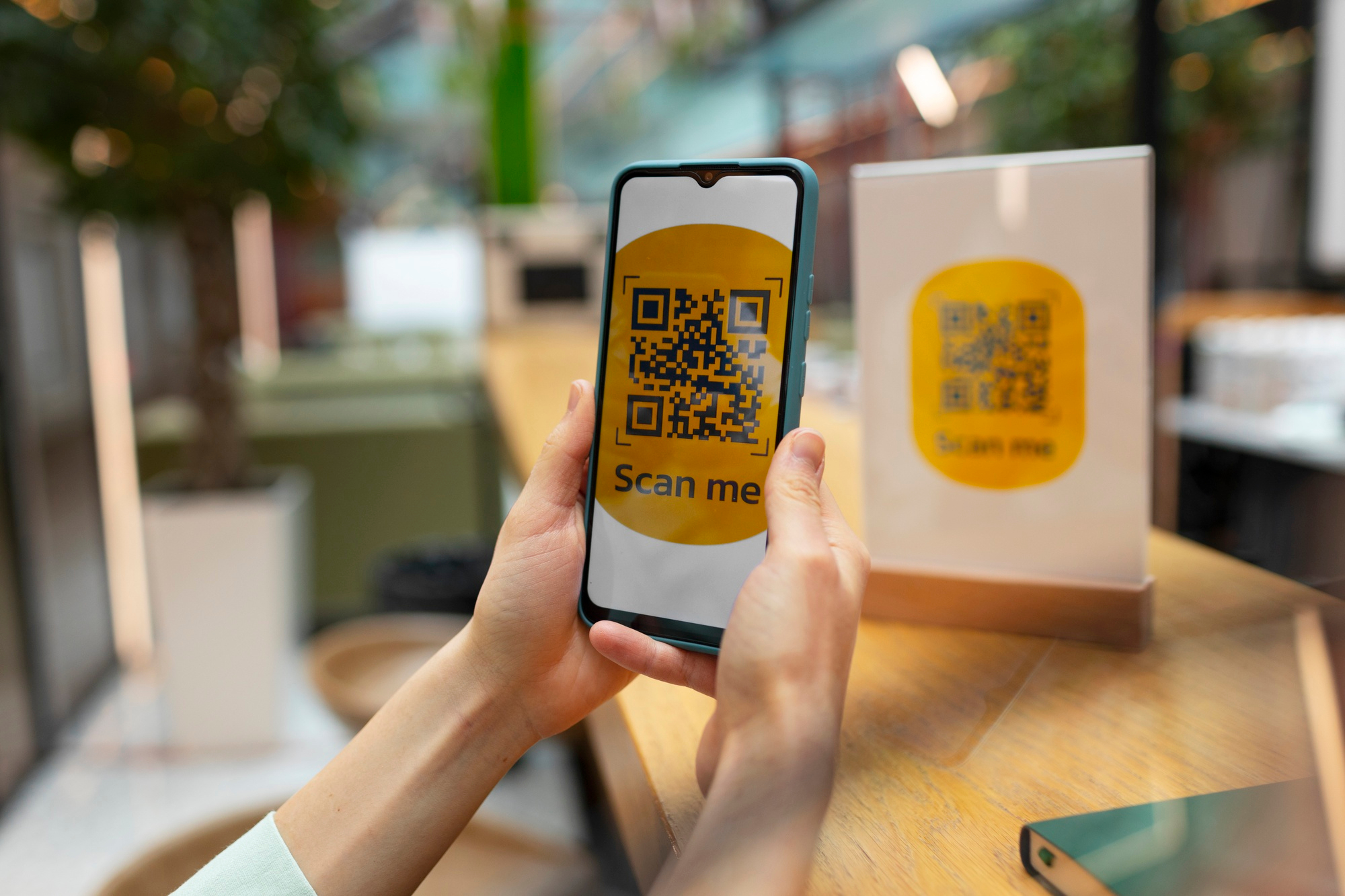
QR code marketing in restaurants operates through several interconnected mechanisms. A customer enters a restaurant and sees a QR code on their table. They scan it with their smartphone camera, which opens a digital menu. They browse items, select dishes, and place an order directly through their phone.
Simultaneously, the restaurant captures data: the customer’s device, the time of scan, which menu items they viewed, which items they ordered. This data feeds into customer profiles and enables personalization. The next time this customer visits, the restaurant can send personalized offers based on their previous orders.
Dynamic vs. Static QR Codes
Understanding the difference between dynamic and static QR codes is essential for effective QR code marketing. Static QR codes contain fixed information and cannot be changed after creation. Dynamic QR codes point to a URL that can be updated anytime, enabling restaurants to change destinations without reprinting codes.
For restaurants, dynamic QR codes are superior. A restaurant can create a single dynamic QR code and update its destination as needed—pointing to different menus for different times of day, different promotions for different seasons, or different content for different campaigns. This flexibility makes dynamic QR codes ideal for QR code-driven marketing strategies.
Digital Menus and Contactless Ordering
The Shift from Paper to Digital Menus
Paper menus have served restaurants for centuries, but they present significant challenges. They require constant reprinting when items change. They harbor bacteria and viruses. They limit presentation capabilities. They provide no data about customer preferences.
Digital menus accessed through QR codes eliminate these limitations. A restaurant can update its menu instantly. Digital menus can include high-quality photography, detailed descriptions, allergen information, and nutritional data. Customers can browse at their own pace without pressure from servers.
Benefits of QR Code Digital Menus
QR code digital menus deliver benefits across multiple dimensions. From a cost perspective, eliminating printing saves hundreds or thousands of dirhams annually. From an operational perspective, real-time menu updates enable restaurants to respond to inventory changes instantly. From a customer experience perspective, digital menus provide superior information and convenience.
Restaurants report that QR code digital menus reduce order errors by enabling customers to review selections before confirming. They also reduce server workload, allowing staff to focus on service quality rather than order-taking.
Enhanced Customer Experience Through QR Menus
Digital menus enhance customer experience through multiple mechanisms. Customers can browse at their own pace without feeling rushed. They can access detailed information about ingredients, preparation methods, and allergens. They can see professional food photography that makes items more appealing.
To further elevate the digital menu, restaurants can utilize QR Image Galleries, which transform a simple list of items into a visually rich portfolio of their culinary offerings. This allows customers to see high-quality, professional photos of each dish, complete with descriptions and social media links, creating a more engaging and appetizing browsing experience.
For international customers, multilingual menus remove language barriers. A customer visiting from India can view the menu in Hindi. A customer from France can view it in French. This inclusivity improves experience and increases likelihood of repeat visits.
Real-Time Menu Management and Updates
Real-time menu management represents one of QR code digital menus’ most powerful features. A restaurant discovers it’s running low on a popular item at 6 PM. Rather than turning away customers or disappointing them with unavailable items, the restaurant updates the digital menu instantly. The item disappears from the menu, and customers see only available options.
This agility is impossible with paper menus. It enables restaurants to optimize inventory, reduce waste, and improve customer satisfaction simultaneously.
Contactless Payment Solutions
QR Code Payment Systems
QR code payment systems enable customers to pay directly through their phones without handling physical payment terminals. A customer scans a QR code at checkout, enters their payment information, and completes the transaction. This contactless process reduces physical contact points and accelerates payment processing.
QR code payment systems also enable split bills effortlessly. In traditional payment processing, splitting bills among multiple customers requires server intervention and manual calculations. With QR code payments, each customer scans the code, selects their items, and pays their share independently.
Mobile Wallet Integration
Modern QR code payment systems integrate with mobile wallets like Apple Pay, Google Pay, and local UAE payment systems. Customers scan a QR code and authorize payment through their preferred wallet. This integration simplifies the payment process and aligns with customer preferences for mobile payments.
Mobile wallet integration also enables automatic receipt delivery. Rather than printing receipts, restaurants can send digital receipts directly to customer email addresses. This reduces paper waste and provides customers with searchable receipt records.
Split Bill Functionality
Split bill functionality through QR codes represents a significant improvement over traditional payment methods. Rather than servers calculating splits or customers manually dividing bills, each customer scans the code and pays their share. This reduces server workload, eliminates calculation errors, and accelerates table turnover.
Security and Trust in QR Payments
Security concerns sometimes deter customers from QR code payments. Restaurants must address these concerns through transparent communication about security measures. Reputable QR code payment providers employ encryption and fraud detection systems comparable to traditional payment processors.
Building trust requires clear communication. Restaurants should display security certifications, explain payment protection measures, and offer alternative payment methods for customers uncomfortable with QR payments. As customers gain familiarity with QR code payments, adoption increases naturally.
Customer Data Collection and Marketing
Building Customer Databases Through QR Codes
QR codes enable restaurants to build comprehensive customer databases. Every scan generates data. Over time, restaurants accumulate detailed profiles of customer behavior, preferences, and engagement patterns.
This data becomes invaluable for marketing. Rather than generic promotions sent to all customers, restaurants can segment audiences and send targeted offers. A customer who frequently orders vegetarian items receives vegetarian promotions. A customer who orders wine receives wine pairing suggestions.
Capturing Customer Contact Information
QR codes provide elegant mechanisms for capturing customer contact information. A restaurant can require email addresses to access WiFi. A loyalty program enrollment can request phone numbers. A feedback form can collect contact details.
This information enables direct communication with customers. Rather than relying on paid advertising to reach customers, restaurants can communicate directly through email and SMS. This direct channel is far more cost-effective and generates higher engagement rates.
Behavioral Data and Customer Insights
QR code scanning generates behavioral data revealing customer preferences and patterns. Which menu items do customers view most frequently? Which items do they actually order? What times of day do customers visit? Which promotional offers drive highest engagement?
This data reveals insights that intuition cannot. A restaurant might assume a certain dish is popular based on server feedback, but data might reveal customers view it frequently but rarely order it. This insight suggests the item needs repositioning, repricing, or reformulation.
Personalization Opportunities
Behavioral data enables sophisticated personalization. A restaurant can identify that a specific customer visits every Friday evening and orders the same dish. The restaurant can send a personalized offer on Friday: “Your favorite dish is on special this Friday—20% off.”
This level of personalization makes customers feel valued and understood. It drives repeat visits and increases customer lifetime value significantly.
For restaurant chains with multiple branches across the UAE, location-redirected QR codes offer a powerful way to deliver hyper-local content through a single, dynamic code. This technology can automatically present a menu in Arabic or English, display branch-specific promotions, or direct customers to the correct delivery service based on their emirate, truly personalizing the experience at scale.
Loyalty Program Integration
QR Code Loyalty Enrollment
QR codes simplify loyalty program enrollment. Rather than requiring customers to fill out paper forms or download apps, a simple QR code scan initiates enrollment. Customers provide their contact information and join the program instantly.
This frictionless enrollment dramatically increases program participation. Restaurants report that QR code enrollment increases loyalty program signup rates by fifty to one hundred percent compared to traditional enrollment methods.
Points Tracking and Rewards
QR code loyalty programs enable automatic points tracking. Each purchase automatically adds points to customer accounts. Customers can scan a QR code to check their points balance and see available rewards.
This automation reduces administrative burden and improves customer experience. Customers don’t need to track points manually or ask staff about their balance. They can access information instantly through their phones.
Exclusive Offers Through QR Codes
QR codes deliver exclusive loyalty program offers directly to customer phones. A restaurant sends a text message with a QR code linking to an exclusive offer. Customers scan the code to access the offer and redeem it immediately.
This direct delivery mechanism ensures customers see offers and drives redemption rates. Push notifications and SMS messages achieve open rates of ninety to ninety-eight percent, far exceeding email open rates.
Gamification and Engagement
QR code loyalty programs enable gamification elements that drive engagement. Challenges like “Order three times this month for bonus points” encourage repeat visits. Leaderboards create friendly competition. Badges and achievements provide psychological rewards.
Gamification transforms loyalty programs from transactional to engaging experiences. Customers become invested in reaching milestones and unlocking achievements, driving incremental visits specifically to achieve program goals.
Operational Efficiency and Cost Savings
Reducing Printing Costs
Printing physical menus represents a significant ongoing expense. A restaurant printing menus monthly might spend thousands of dirhams annually. QR code digital menus eliminate this expense entirely.
Beyond direct cost savings, digital menus reduce waste. Paper menus eventually become worn, stained, or outdated and require replacement. Digital menus never wear out and require no replacement.
Streamlining Order Management
QR code ordering systems streamline order management by sending orders directly from customer phones to kitchen display systems. This eliminates the intermediary step of servers manually entering orders, reducing errors and accelerating order preparation.
Orders appear on kitchen displays in real-time, enabling kitchen staff to begin preparation immediately. This acceleration reduces wait times and improves customer satisfaction.
Improving Table Turnover Rates
QR code ordering and payment systems accelerate the entire dining cycle. Customers order faster through digital menus. Orders reach the kitchen faster through digital systems. Customers pay faster through contactless payments. This acceleration increases table turnover rates.
Higher table turnover rates enable restaurants to serve more customers with the same number of tables. This directly increases revenue without requiring physical expansion.
Reducing Staffing Needs
QR code systems reduce staffing needs by automating functions traditionally performed by servers. Customers order independently through digital menus. Customers pay independently through QR code payments. This automation reduces the number of servers required to provide adequate service.
While this might seem to eliminate jobs, it actually improves job quality. Servers focus on genuine hospitality—greeting customers, ensuring satisfaction, handling special requests—rather than mechanical order-taking and payment processing.
Revenue Optimization Through QR Codes
Upselling Opportunities
QR code digital menus enable sophisticated upselling. Restaurants can strategically position high-margin items prominently. They can recommend complementary items based on customer selections. They can highlight specials and premium options.
Digital menus also enable dynamic pricing. A restaurant can increase prices during peak hours or decrease them during slow periods. This price optimization maximizes revenue based on demand.
Promotional Strategies
QR codes enable targeted promotional strategies. A restaurant can send special offers to customers who haven’t visited recently. It can promote new menu items to customers most likely to appreciate them. It can run flash sales during slow periods to drive traffic.
These targeted promotions generate higher response rates than generic promotions. Customers receive offers relevant to their preferences and circumstances, increasing likelihood of redemption.
Increased Average Order Value
QR code digital menus increase average order value through multiple mechanisms. Strategic menu design encourages customers to order more items. Recommendations suggest complementary items. Attractive photography makes items more appealing.
Restaurants report average order value increases of ten to twenty percent after implementing QR code digital menus. This improvement directly increases profitability.
Driving Repeat Business
QR code-driven marketing drives repeat business through personalized engagement. Customers receive offers tailored to their preferences. They earn loyalty program rewards. They feel valued and understood.
This personalized engagement converts one-time customers into repeat customers. Repeat customers generate higher lifetime value and become brand advocates who refer friends and family.
Safety and Hygiene Benefits
Contactless Transactions
Contactless transactions reduce physical contact between customers and staff. This reduces disease transmission risk and appeals to health-conscious customers. Post-pandemic, customers expect contactless options and view them as markers of professional, safety-conscious establishments.
Reduced Physical Contact Points
QR code systems reduce physical contact points throughout the dining experience. Customers don’t touch paper menus. They don’t hand payment cards to servers. They don’t need to sign receipts. This reduction in contact points appeals to customers prioritizing health and hygiene.
Post-Pandemic Customer Expectations
Post-pandemic, customer expectations have shifted permanently. Customers expect contactless options. They expect digital menus. They expect mobile payments. Restaurants failing to provide these options appear outdated and unsafe.
Implementing QR code-driven marketing signals that a restaurant prioritizes customer safety and maintains modern standards. This positioning attracts health-conscious customers and builds competitive advantage.
Health-Conscious Dining Experiences
QR code systems enable restaurants to provide health-conscious dining experiences. Digital menus can display nutritional information, allergen warnings, and ingredient sourcing. Contactless ordering and payment reduce disease transmission risk.
These features appeal to health-conscious customers and differentiate restaurants in the market. Customers willing to pay premium prices for health-conscious experiences represent high-value customer segments.
Marketing Automation and Campaigns
QR Codes in Advertising
QR codes in print advertising, billboards, and social media create direct response mechanisms. A customer sees an advertisement, scans the QR code, and accesses promotional content immediately. This frictionless path from awareness to engagement increases campaign effectiveness.
QR codes in advertising also enable tracking. Restaurants can measure how many people scanned QR codes in specific advertisements, which advertisements drove highest engagement, and which advertisements generated highest conversion rates.
Social Media Integration
QR codes integrate seamlessly with social media marketing. A restaurant posts a photo on Instagram with a QR code linking to a special offer. Followers scan the code and access the offer directly. This integration bridges social media engagement to actual customer action.
With over 71% of UAE internet users active on Instagram, integrating QR codes into this visual-first platform is a powerful strategy. Restaurants can leverage Instagram’s shoppable posts and interactive stories, using QR codes to bridge the gap between social media discovery and in-store actions like viewing a full menu or joining a loyalty program.
QR codes also enable social sharing. A customer can scan a QR code to share a restaurant’s loyalty program with friends. This viral mechanism expands reach through word-of-mouth marketing.
Email Marketing Campaigns
QR codes enhance email marketing campaigns. An email can include a QR code linking to a special offer, menu preview, or reservation system. Customers scan the code to take action immediately without typing URLs.
QR codes in email also enable tracking. Restaurants can measure how many customers scanned QR codes in specific emails, which emails drove highest engagement, and which emails generated highest conversion rates.
In-Restaurant Promotions
QR codes enable in-restaurant promotions that drive immediate action. A table tent displays a QR code linking to a limited-time offer. Customers scan the code and redeem the offer immediately. This drives impulse purchases and increases average order value.
In-restaurant QR codes also collect data. Restaurants can track which promotions drive highest engagement and optimize future promotions accordingly.
Customer Feedback and Reviews
QR Code Survey Systems
QR codes simplify customer feedback collection. A table tent displays a QR code linking to a brief survey. Customers scan the code and provide feedback immediately while their experience is fresh.
This real-time feedback enables rapid response. If a customer reports a problem, management can address it immediately rather than discovering it days later through online reviews.
Real-Time Feedback Collection
Real-time feedback collection enables continuous improvement. Rather than waiting for quarterly surveys or annual reviews, restaurants gather feedback after every visit. This frequent feedback reveals trends and enables rapid iteration.
Rating and Review Integration
QR codes can link directly to review platforms like Google Reviews and TripAdvisor. Customers scan the code and leave reviews immediately. This streamlined process increases review volume and improves online reputation.
Restaurants with higher review volumes and ratings attract more customers. QR code review integration creates a virtuous cycle where satisfied customers leave reviews, which attract more customers.
Continuous Improvement
Real-time feedback enables continuous improvement. A restaurant discovers that customers frequently complain about wait times. Management can address this through staffing adjustments, process improvements, or communication changes. Subsequent feedback reveals whether improvements resolved the issue.
App Download Promotion
QR Codes for App Downloads
QR codes simplify app downloads. Rather than customers searching app stores, they scan a QR code and download the app directly. This frictionless process dramatically increases app download rates.
Restaurants can place QR codes throughout their establishments—on table tents, receipts, door stickers, and signage. Multiple touchpoints increase app download rates.
Mobile App Engagement
Mobile apps enable deeper customer engagement than websites. Apps can send push notifications, provide personalized recommendations, and enable seamless ordering and payment.
QR code-driven app promotion builds mobile user bases that enable sophisticated marketing campaigns. Restaurants can send push notifications about new menu items, special offers, or events.
Push Notification Strategies
Push notifications achieve higher engagement rates than email or SMS. A restaurant can send a push notification about a flash sale and drive immediate traffic. Push notifications appear on customer phones in real-time, creating urgency that drives action.
Loyalty Program Access
Mobile apps provide convenient loyalty program access. Customers can check points balance, view available rewards, and redeem offers directly through the app. This convenience drives loyalty program engagement and repeat visits.
WiFi Access and Data Capture
QR Code WiFi Login
QR codes simplify WiFi access. Rather than customers manually entering complex passwords, they scan a QR code and connect automatically. This convenience increases WiFi usage and customer satisfaction.
Email Collection Through WiFi
WiFi login pages can request email addresses before granting access. This provides restaurants with email addresses for marketing communication. Customers willingly provide email addresses in exchange for free WiFi.
Targeted Marketing Through WiFi Data
WiFi data reveals customer behavior patterns. Restaurants can see which customers visit frequently, how long they stay, and which areas they frequent. This data enables targeted marketing.
Customer Engagement Opportunities
WiFi access creates engagement opportunities. WiFi login pages can display promotional messages, menu information, or loyalty program enrollment options. These create additional touchpoints for marketing communication.
Reservation and Booking Systems
QR Code Table Reservations
QR codes simplify table reservations. A customer scans a QR code and books a table directly without calling. This convenience increases reservation rates and improves customer experience.
Waitlist Management
QR codes enable efficient waitlist management. Customers scan a QR code to join a waitlist. The system notifies them when a table is available. This eliminates the need for customers to wait at the host stand.
Pre-Ordering Options
QR codes enable pre-ordering. Customers can scan a QR code and place orders before arriving at the restaurant. This enables restaurants to prepare orders in advance, reducing wait times and improving customer satisfaction.
Special Requests Capture
QR code reservation systems can capture special requests. A customer can note dietary restrictions, celebration occasions, or seating preferences. This information enables personalized service.
Analytics and Performance Tracking
QR Code Scanning Analytics
QR code platforms provide detailed analytics on scanning behavior. Restaurants can see how many people scanned QR codes, when they scanned them, which devices they used, and where they scanned them.
This data reveals which marketing channels drive highest engagement. A restaurant might discover that QR codes in email drive higher engagement than QR codes in social media. This insight enables budget optimization.
Customer Engagement Metrics
QR code analytics reveal customer engagement metrics. How many customers scanned QR codes? How many took action after scanning? What was the conversion rate?
These metrics enable continuous optimization. A restaurant can test different QR code designs, placements, and offers to maximize engagement.
Campaign Performance Measurement
QR codes enable precise campaign measurement. A restaurant can create unique QR codes for different campaigns and track performance separately. This enables accurate ROI calculation for each campaign.
ROI Calculation
QR code analytics enable ROI calculation. A restaurant can calculate the cost of implementing QR code systems and compare it to revenue generated. Most restaurants discover QR code-driven marketing delivers exceptional ROI.
Competitive Advantages
Differentiation in Crowded Market
The UAE restaurant market is highly competitive. QR code-driven marketing enables differentiation. Restaurants implementing sophisticated QR code systems appear modern, professional, and customer-focused.
Customers notice and appreciate restaurants prioritizing technology and convenience. This differentiation attracts customers and builds competitive advantage.
Technology Leadership
Restaurants implementing QR code-driven marketing position themselves as technology leaders. This positioning attracts tech-savvy customers and builds brand reputation.
Customer Expectations
Customer expectations increasingly include QR code menus and digital ordering. Restaurants failing to provide these options appear outdated. Implementing QR code-driven marketing meets customer expectations and prevents competitive disadvantage.
Market Position
Restaurants implementing comprehensive QR code-driven marketing strategies position themselves for long-term success. They capture data, build customer relationships, optimize operations, and drive revenue growth. These advantages compound over time.
Implementation Best Practices
Choosing the Right QR Code Platform
Selecting the right QR code platform is essential. The platform should support dynamic QR codes, provide analytics, enable customization, and integrate with existing systems.
Restaurants should evaluate multiple platforms before committing. Consider cost, features, customer support, and scalability. A platform that works for a single location might not scale to multiple locations.
Design and Branding
QR codes should align with restaurant branding. Rather than generic black-and-white codes, restaurants can customize colors, add logos, and create branded frames. Branded QR codes increase scan rates and reinforce brand identity.
Strategic Placement
QR code placement significantly impacts engagement. Table tents, receipts, door stickers, and signage all represent strategic placements. Restaurants should place QR codes where customers naturally look.
Testing and Optimization
Before full implementation, restaurants should test QR code systems. Test different placements, designs, and offers. Measure engagement and optimize based on results.
Overcoming Adoption Challenges
Customer Education
Some customers remain unfamiliar with QR codes. Restaurants should provide clear instructions. Staff should be trained to explain QR code usage. Signage should clearly indicate QR codes’ purpose.
Technology Integration
Integrating QR code systems with existing technology can be complex. Restaurants should ensure QR code platforms integrate seamlessly with POS systems, loyalty programs, and email marketing platforms.
Privacy and Security Concerns
Some customers worry about privacy and security. Restaurants should clearly communicate data protection measures and privacy policies. Offering alternative payment methods for customers uncomfortable with QR payments addresses concerns.
Staff Training
Staff must understand QR code systems to assist customers. Comprehensive training ensures staff can explain QR codes, troubleshoot problems, and encourage adoption.
UAE Market Adoption Trends
Tech-Savvy Consumer Base
The UAE’s population is highly tech-savvy with high smartphone penetration. Consumers are comfortable with QR codes and digital payments. This tech-savvy base facilitates rapid QR code adoption.
Digital Payment Preference
UAE consumers increasingly prefer digital payments over cash. QR code payment systems align with this preference and drive adoption.
Regulatory Support
UAE regulatory environment supports digital transformation. Government initiatives encourage cashless payments and digital business practices. This regulatory support facilitates QR code adoption.
Competitive Landscape
The competitive restaurant landscape drives QR code adoption. Restaurants implementing QR code systems gain competitive advantages. Competitors must follow to remain competitive.
Case Studies and Success Stories
Quick-Service Restaurant Success
A quick-service restaurant chain in Dubai implemented QR code-driven marketing across all locations. Within three months, digital menu adoption reached eighty-five percent. Customer satisfaction scores increased by twenty percent. Average order value increased by fifteen percent.
Café Chain Transformation
A café chain in Abu Dhabi implemented QR code loyalty programs. Loyalty program enrollment increased by one hundred percent. Repeat visit frequency increased by thirty percent. Customer lifetime value increased by forty percent.
Boutique Restaurant Innovation
A boutique restaurant implemented comprehensive QR code-driven marketing including digital menus, contactless payments, and personalized promotions. Customer satisfaction increased significantly. Revenue increased by twenty-five percent within six months.
Future of QR Code Marketing
Advanced QR Code Features
QR code technology continues advancing. Dynamic QR codes enable increasingly sophisticated functionality. Augmented reality integration enables immersive experiences. Analytics capabilities become more sophisticated.
Integration with Emerging Technologies
QR codes will integrate with emerging technologies like artificial intelligence and augmented reality. AI can provide personalized menu recommendations. Augmented reality can enable customers to visualize dishes before ordering.
The evolution of QR codes extends beyond the restaurant table to the next frontier of automated retail, such as smart vending machines and self-service kiosks, a market expected to reach $1.48 billion by 2033. These technologies leverage QR codes for seamless payment and order initiation, representing the future of quick service in high-traffic areas like UAE malls.
AI and Personalization
Artificial intelligence will enable increasingly sophisticated personalization. AI can predict which menu items customers will order based on previous behavior. AI can recommend optimal times for promotional offers.
Market Growth Projections
QR code adoption in restaurants will continue accelerating. Industry experts project that over ninety percent of restaurants will use QR codes within five years. This growth reflects genuine business value and customer preference.
Conclusion and Call to Action
Key Takeaways
QR code-driven marketing is becoming essential for restaurants and cafés in the UAE. The technology delivers benefits across operations, marketing, customer experience, and profitability. Competitive pressures, customer expectations, and regulatory support all drive adoption.
Restaurants that implement QR code-driven marketing gain competitive advantages. They capture data, build customer relationships, optimize operations, and drive revenue growth. These advantages compound over time, creating sustainable competitive positioning.
Implementation Timeline
Restaurants should implement QR code-driven marketing immediately. Quick implementation enables rapid benefit realization. Early adopters gain competitive advantages before competitors follow.
A typical implementation timeline spans two to four weeks. This includes platform selection, system integration, staff training, and launch.
Getting Started Today
Restaurants can begin implementing QR code-driven marketing today. Start with digital menus and contactless ordering. Add loyalty program integration and personalized marketing. Expand to advanced features over time.
The best time to implement QR code-driven marketing was yesterday. The second-best time is today. Restaurants delaying implementation risk competitive disadvantage as competitors implement systems and capture market share.
Long-Term Business Growth
QR code-driven marketing enables long-term business growth. By capturing data, building customer relationships, and optimizing operations, restaurants create sustainable competitive advantages. These advantages drive revenue growth, improve profitability, and build valuable businesses.
The UAE restaurant market rewards restaurants that embrace technology and prioritize customer experience. QR code-driven marketing enables both. Restaurants implementing comprehensive QR code strategies position themselves for long-term success in the competitive UAE market.
