


The Complete Guide to Restaurant Marketing in Dubai — From Launch Day to Long-Term Growth
Dubai is a city that appreciates aesthetics, and diners expect a polished look. Your visual identity needs to feel deliberate and cohesive. That experience should extend beyond your interiors to every customer touchpoint, including your menu.
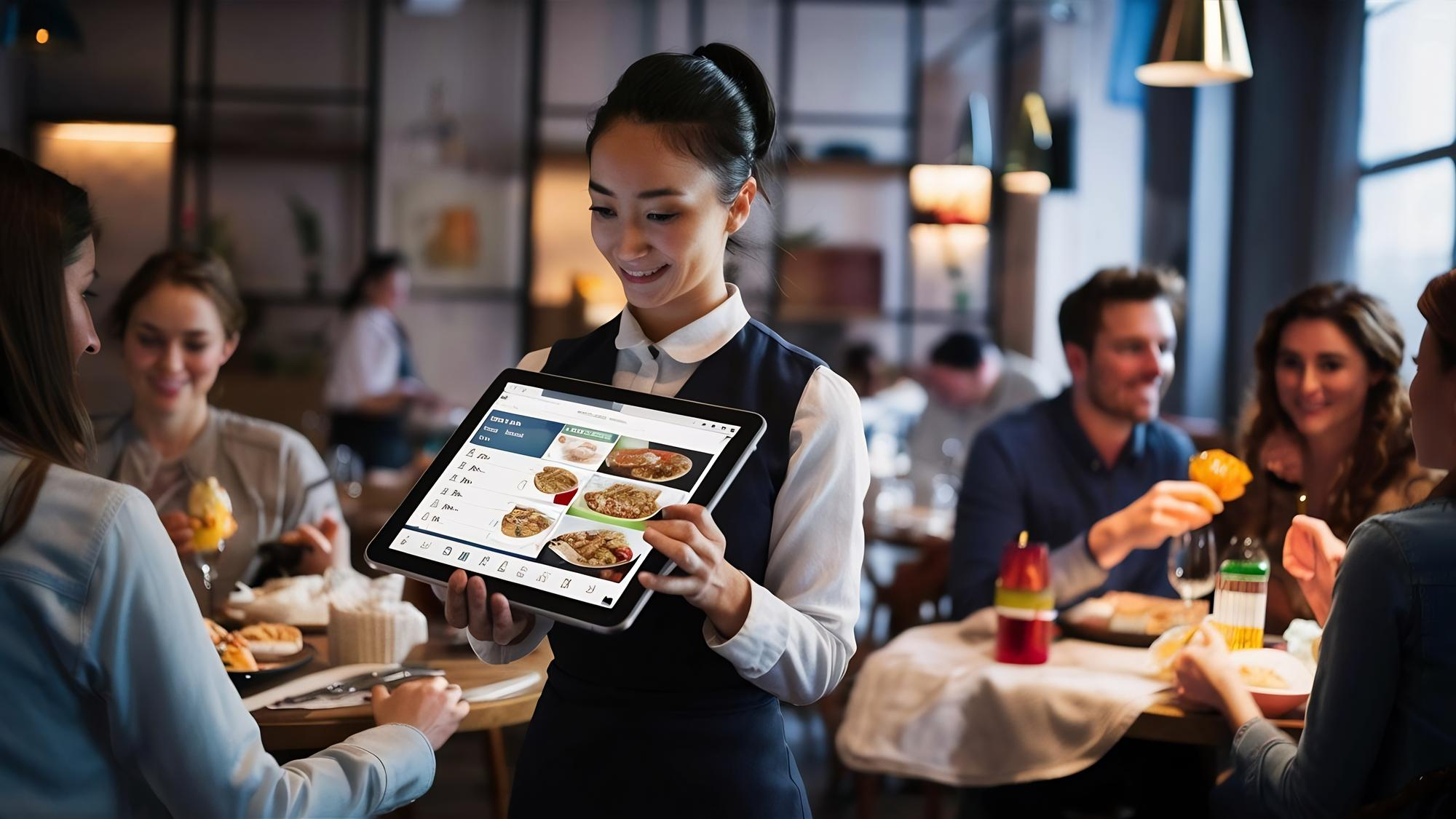
Using a digital restaurant menu ensures your branding stays consistent while making it easier for guests to browse your dishes, view images, and order with confidence. When your logo, color palette, interior design, staff uniforms, social media, and menu all speak the same visual language, you create a memorable experience that people want to photograph and share.
Let’s be honest: opening a restaurant here is a massive financial and emotional investment. You spend months finding the perfect location, agonizing over the menu, and assembling a great team. None of that is cheap or easy. But all that hard work can easily get lost in the noise if your marketing strategy isn’t sharp. Whether you’re opening a cozy cafe in Jumeirah, a high-end concept in DIFC, or a traditional Emirati kitchen in Deira, the core rules of getting people through your doors remain the same.
In this guide, we’ll break down exactly what you need to do. We’ll cover everything from establishing your brand identity before the paint is even dry on the walls, to running digital campaigns that actually work, collaborating with the right local influencers, and turning first-time visitors into regulars. Let’s dive in.
Why Marketing a Restaurant in Dubai Is Different?
Before we talk tactics, we need to look at what makes Dubai’s dining culture so unique. This isn’t your average city. It’s a massive intersection of over 200 nationalities, a global tourist hub, and a place where eating out is practically a competitive sport.
A few specific factors set Dubai apart:
- Your audience is incredibly diverse. On any given Tuesday, you might need to appeal to local Emirati families, South Asian expats grabbing a quick bite, European tourists on holiday, and American business travelers closing a deal.
- Social media dictates dining choices. Dubai diners love taking photos of their food. Instagram and TikTok aren’t just marketing channels here; they are the primary way people decide where to eat tonight.
- The seasons change everything. Your strategy has to adapt to the calendar. Ramadan completely rewrites dining habits. The sweltering summer months bring a noticeable drop in foot traffic, while the peak season from October to April is when you need to capitalize on the influx of residents and tourists.
- Word of mouth moves at lightspeed. A single authentic review from a trusted local food blogger can pack your restaurant for weeks. On the flip side, a handful of poor reviews on Google or Zomato can quietly derail your business before you’ve even had a chance to fix the issues.
Knowing this, your marketing approach has to be multi-layered. You need a mix of digital presence and local community outreach, global appeal with local charm, and above all, consistency.
“Working with a creative branding agency in the UAE gives your restaurant a significant head start, because they understand the local market, the cultural nuances, and what resonates with Dubai’s incredibly diverse dining audience. From naming and logo creation to building a consistent visual identity across every customer touchpoint, a dedicated branding team ensures your restaurant feels intentional and memorable from the very first impression.”
Step 1 — Build Your Brand Before You Open
This is a classic trap for first-time restaurateurs. They pour all their energy into the kitchen equipment and the menu, and then scramble to throw a logo and a brand identity together two weeks before launch. Please don’t do this. It’s a costly mistake that’s incredibly difficult to fix later.
Your brand is so much more than just the logo on your napkins. It’s the entire personality of your restaurant. It dictates how people feel when they step inside, the vibe of your Instagram feed, and even how your servers greet the tables.
Figure Out Who You Are
People often confuse branding with marketing, but getting the distinction right is vital for surviving in the UAE market. Think of your brand as your foundation—your core identity and values. Marketing is simply the toolkit you use to show that identity to the world.
Start by asking yourself a few brutally honest questions:
- Who am I really cooking for? Are you targeting a family from Sharjah looking for a relaxed weekend lunch? Young professionals in Media City needing a quick, impressive business spot? Tourists hunting for an authentic local experience?
- What is my promise to them? Are you offering unbeatable value, a luxurious escape, lightning-fast service, genuine cultural roots, or a commitment to sustainability?
- Why does this neighborhood need me? What specific gap are you filling on this street or in this culinary category?
The answers to these questions should guide every decision you make, from the font on your menu to the tone of voice in your social media captions.
Visual Identity: More Than Just a Pretty Logo
Dubai is a city that appreciates aesthetics, and diners expect a polished look. Your visual identity needs to feel deliberate and cohesive. When your logo, color palette, interior design, staff uniforms, and social media all speak the same visual language, you create a memorable experience. That cohesion is what makes people want to snap a photo and share it.
Look at local success stories like Leila, Orfali Bros, or 3Fils. You instantly recognize their vibe. That doesn’t happen by accident. It’s the result of thoughtful branding, and it is absolutely worth hiring a talented designer to get this right from day one.
Tell Your Story
People in Dubai eat out constantly. They are spoiled for choice. What is going to make them pick your restaurant tonight, and more importantly, what will make them come back next week? Usually, it’s the story behind the food.
Maybe you’re a chef who trained in Lyon and brought French techniques to Lebanese street food. Perhaps you’re opening a Yemeni spot using recipes your grandmother perfected over three generations. People connect with narratives. It gives them a reason to care about your success.
Don’t hide this story. Put it front and center on your website, weave it into your social media bios, and make sure your staff knows how to share it with curious guests. It’s one of the most powerful, yet frequently ignored, marketing tools you have.
“Every physical item your customer sees — the menu, business cards, packaging, and signs show your brand’s quality. So, hiring professional graphic design services in the UAE is a must for a restaurant that wants to stand out. A well-designed menu does more than just show your dishes; it creates the mood for the meal and shows you care about the details.”
Step 2 — Create Real Pre-Launch Buzz
Those weeks leading up to opening day aren’t just for testing recipes and training staff; they are prime marketing time. If you run a smart pre-launch campaign, you can guarantee a packed house on opening night.
Tease the Process on Social Media
Don’t wait until the doors are open to start posting. People love seeing how things are built. Share behind-the-scenes glimpses of the kitchen coming together, your trips to the local markets to source ingredients, or the team doing their first tastings. This builds genuine anticipation. You don’t have to show the whole menu right away; a slow reveal keeps people coming back to your page.
A simple “coming soon” strategy on your Instagram grid works wonders. Post short Reels of the prep work or moody teaser shots of your signature dishes. It builds excitement without requiring a massive ad budget.
Bring the Foodies in Early
Dubai has a massive, highly engaged community of food influencers, and locals actually trust their recommendations. Don’t wait until after you open to invite them. Reach out to three to five creators whose style matches your brand while you’re still in the pre-launch phase. Invite them in for a private tasting or a soft-launch dinner, and ask for their honest feedback.
When a respected local food blogger posts a Reel about an exciting new spot that hasn’t even opened yet, the hype is immediate. This is arguably the best return on investment you can get before your official launch.
Start Building Your Email List Now
It’s shocking how many new restaurants skip this step. Put up a simple, clean landing page. Tell people your concept, where you’re opening, and give them a place to drop their email address so they can be the first to know when you launch. These are people who are raising their hands saying, “I want to eat here.” That list will become incredibly valuable when you want to announce special events or new menus down the line.
Host a Proper Soft Launch
A soft launch is a win-win. It gives your kitchen and floor staff a chance to practice in a real-world setting, and it generates organic word-of-mouth. Invite local media, food bloggers, neighboring business owners, and your supportive friends. Treat them well, and their Instagram Stories will do your pre-launch marketing for you.
Step 3 — Navigate Dubai’s Social Media Landscape
If you want to survive in the Dubai restaurant scene, you have to be active on social media. There is no way around it. Instagram and TikTok are the main engines driving dining choices across the emirates.
Where Should You Spend Your Time?
- Instagram: This is still the undisputed heavyweight champion of food marketing in the UAE. Your grid acts as your visual menu, while Stories and Reels keep you top of mind.
- TikTok: If you want to reach a younger demographic or tourists, you need to be here. The content here should be less polished and more entertaining. Show the chaos of a busy kitchen, do quick taste tests, or jump on trending audio.
- Snapchat: Many restaurants ignore Snapchat, but it remains incredibly popular among UAE nationals and younger Arab demographics. It’s perfect for quick, time-sensitive promotions.
- Google Business Profile: While technically a search tool rather than social media, keeping this updated with fresh photos and posts is just as vital as your Instagram feed.
What Actually Works on Camera?
You don’t need to hire a film crew every week. Authenticity usually beats high-budget production. The key is to show up consistently. Here is what local diners respond to:
- Action shots in the kitchen (the sound of a searing steak, intricate plating, or impressive knife work).
- Stories introducing the chef or the friendly faces running the floor.
- Genuine reactions from happy customers (always ask permission first!).
- The journey of your ingredients, especially if you take pride in sourcing local or premium items.
- Timely content around local events, like special Iftar menus for Ramadan or National Day celebrations.
- Showcasing your venue’s atmosphere, especially if you have a killer view of the Marina or the Burj Khalifa.
Putting Money Behind Your Posts
Organic reach is great, but eventually, you’ll need to run some targeted ads on Meta (Instagram and Facebook). The targeting options in Dubai are fantastic. You can show your ads specifically to people living within a 5-kilometer radius, or target users who frequently dine out.
You don’t need to break the bank. Start with 50 to 100 dirhams a day on a well-crafted ad. Keep an eye on how many people are clicking through or booking a table, and adjust your strategy based on what the data tells you.
Step 4 — Working with Dubai’s Influencer Community
In Dubai, influencer marketing isn’t just a trendy add-on; it’s a fundamental part of the business. People here rely heavily on their favorite creators to tell them where to eat this weekend.
Finding the Right Voices
Don’t just look at follower counts. Search through local hashtags like #DubaiFoodie or #DubaiRestaurants. Pay attention to who is posting high-quality content regularly. More importantly, look at their engagement. Are people actually commenting and asking questions about the food, or is it just a bunch of empty likes? You want to partner with creators whose aesthetic naturally aligns with your restaurant’s vibe.
Keep an eye on Zomato as well; the active reviewers there often have significant sway over local dining choices.
The Micro vs. Macro Debate
Here is something that surprises many new owners: partnering with a “micro-influencer” (someone with 5,000 to 50,000 followers) often drives more actual foot traffic than paying a massive account with half a million followers. Micro-influencers tend to have highly localized, fiercely loyal audiences who trust their recommendations implicitly.
The smartest strategy is a mix. Bring in a couple of larger accounts to build broad awareness and credibility, but focus the bulk of your effort on building relationships with a handful of genuine, engaged micro-influencers.
Don’t Ignore Your Own Customers
User-generated content is the best free advertising you can get. When a guest takes a beautiful photo of their meal and tags you, they are endorsing you to their entire network. Make it easy for them. Have your Instagram handle visible, create a space with great lighting, or design a signature dish that just begs to be photographed. Always reshare the best photos from your guests—it makes them feel appreciated and shows potential customers that real people love your food.
To take this a step further, many modern restaurants are using QR codes that link to a beautifully curated digital gallery of their dishes. It helps guests decide what to order and gives them inspiration for their own photos.
Step 5 — Owning Your Local Search Presence
When someone in JLT pulls out their phone and searches for “best Thai food near me,” you need to be the first result they see. They are hungry, and they are ready to spend money right now. That’s why local SEO is critical.
The digital space is crowded, and relying solely on Instagram isn’t enough. You need to make sure Google knows exactly who you are and where you are.
Master Your Google Business Profile
If you haven’t claimed and optimized your Google Business Profile, stop reading and do it right now. It is often the very first impression a customer gets of your business. Ensure you have:
- Your exact address and a working phone number.
- Accurate hours (and remember to update these during Ramadan and public holidays!).
- Plenty of bright, appetizing photos of your food and the dining room.
- A direct link to your menu and reservation system.
- A habit of replying to all reviews, thanking the happy customers and professionally addressing any complaints.
The Power of Reviews
Reviews are the lifeblood of local search rankings. Train your staff to read the table; if a guest is clearly having a great time, politely ask them if they wouldn’t mind leaving a quick Google review. A simple QR code presented with the bill makes this process effortless for them.
While Google is king, don’t ignore Zomato, which still drives a lot of local traffic, or TripAdvisor, which is essential if you’re located near major tourist hubs.
Get on the Delivery Apps
Even if you’re primarily a dine-in spot, having a presence on Talabat, Deliveroo, and Careem is vital. Many residents use these apps like search engines to discover new places before they decide to visit in person. Keep your profile updated with great photos and accurate descriptions to capture both delivery orders and future walk-ins.
Step 6 — Promotions That Actually Make Sense
Running promotions is tricky. If you do it right, you build a loyal customer base. If you do it wrong, you train people to only show up when you’re handing out discounts, which will ruin your margins. The goal is to be strategic.
Launch Offers That Feel Like a Gift
During your first few weeks, you want to leave a fantastic impression. Instead of a cheap percentage discount, offer something that feels generous. A complimentary signature mocktail on arrival, or a special tasting menu curated by the chef at an approachable price point, feels like hospitality rather than a desperate plea for business.
Capitalize on the Local Calendar
Dubai’s calendar is packed with opportunities. Ramadan is obviously the biggest. The demand for Iftar and Suhoor is massive, but so is the competition. You absolutely need a thoughtful, well-promoted Ramadan offering.
The same goes for UAE National Day, the Eid holidays, and New Year’s Eve. These are times when people want to celebrate and spend money. A creative, well-timed promotion during these windows can bring in significant revenue and introduce your brand to a whole new crowd.
Loyalty Programs That People Actually Use
Acquiring a new customer is expensive; keeping one is much cheaper. Give people a tangible reason to choose you again next week. It doesn’t have to be complicated—a simple digital stamp card or a WhatsApp-based rewards system works perfectly. If you want to get more advanced, look into dedicated loyalty apps that integrate with your point-of-sale system.
Speaking of technology, digital menus and contactless payments are becoming the standard in the UAE. They streamline your operations and give the customer a smoother experience, which naturally encourages repeat visits.
Corporate Connections
If you’re located near office towers or hotels, get out there and shake some hands. Introduce yourself to office managers and hotel concierges. Setting up corporate lunch deals or becoming a recommended spot for hotel guests can provide a steady, reliable stream of income that requires very little ongoing marketing spend.
Step 7 — PR and Getting Involved in the Community
Social media builds your audience, but traditional PR builds your credibility. You need a bit of both.
Catching the Eye of Local Food Media
Publications like TimeOut Dubai, What’s On UAE, and Gulf News Weekend carry a lot of weight. A positive review or a feature in one of these outlets can put you on the map permanently.
To get their attention, you need an angle. Don’t just send an email saying “we’re open.” Pitch them a story. Talk about your chef’s unique background, an incredibly rare ingredient you’re importing, or the fascinating history behind your restaurant’s design. Make the journalist’s job easy by providing a clean press kit with high-resolution photos and all the necessary details.
Show Up at the Festivals
The Dubai Food Festival (DFF) in March is massive. Find a way to be part of it, even if it’s just hosting a small pop-up or featuring a specific dish. It puts your brand in front of thousands of people who are actively looking for new things to eat. Keep an eye out for other neighborhood markets and cultural events throughout the year.
Win Your Neighborhood
Sometimes, the best marketing happens right outside your front door. If you’re in a residential area, focus heavily on the local community. Partner with the gym next door, sponsor a local community event, or just make sure your physical signage is impossible to miss. Word of mouth among neighbors is incredibly powerful.
How to Know if It’s Working?
If you aren’t tracking your results, you’re just throwing money at the wall and hoping something sticks. You don’t need a degree in data science, but you do need to watch a few key metrics:
- Google Insights: Are people finding you when they search? Are they clicking to see your menu or asking for directions?
- Social Analytics: Which posts are getting saved and shared? Stop doing what doesn’t work and double down on what does.
- Platform Dashboards: Keep an eye on your Zomato ratings and delivery app volumes.
- The Floor: This is the most important metric. Track your weekly covers. Did that influencer post actually result in a busy Tuesday night?
Sit down once a month and look at these numbers. The most successful restaurants in Dubai aren’t always the ones with the biggest marketing budgets; they are the ones who pay attention to the data and adapt quickly.
Building Something That Lasts
Marketing a restaurant in Dubai is intense, exhausting, and incredibly rewarding. You are playing in a market that demands excellence and moves at breakneck speed. But the diners here are passionate—they love discovering hidden gems, they love sharing their finds, and they will absolutely cross town for a truly great meal.
The restaurants that survive their first year and go on to become local institutions don’t rely on the food alone. They succeed because they are intentional about how they tell their story, and they deliver a consistent experience every single time.
Build a brand you believe in, start talking to people before you open, treat social media as a priority, get your Google profile sorted, and run promotions that add value to the customer experience. It’s a lot of work, but executing these basics consistently is what separates the winners from the rest.
Dubai’s food scene isn’t slowing down anytime soon. Make sure your strategy is built to keep up.
