


Introduction to Smart Education and QR Codes
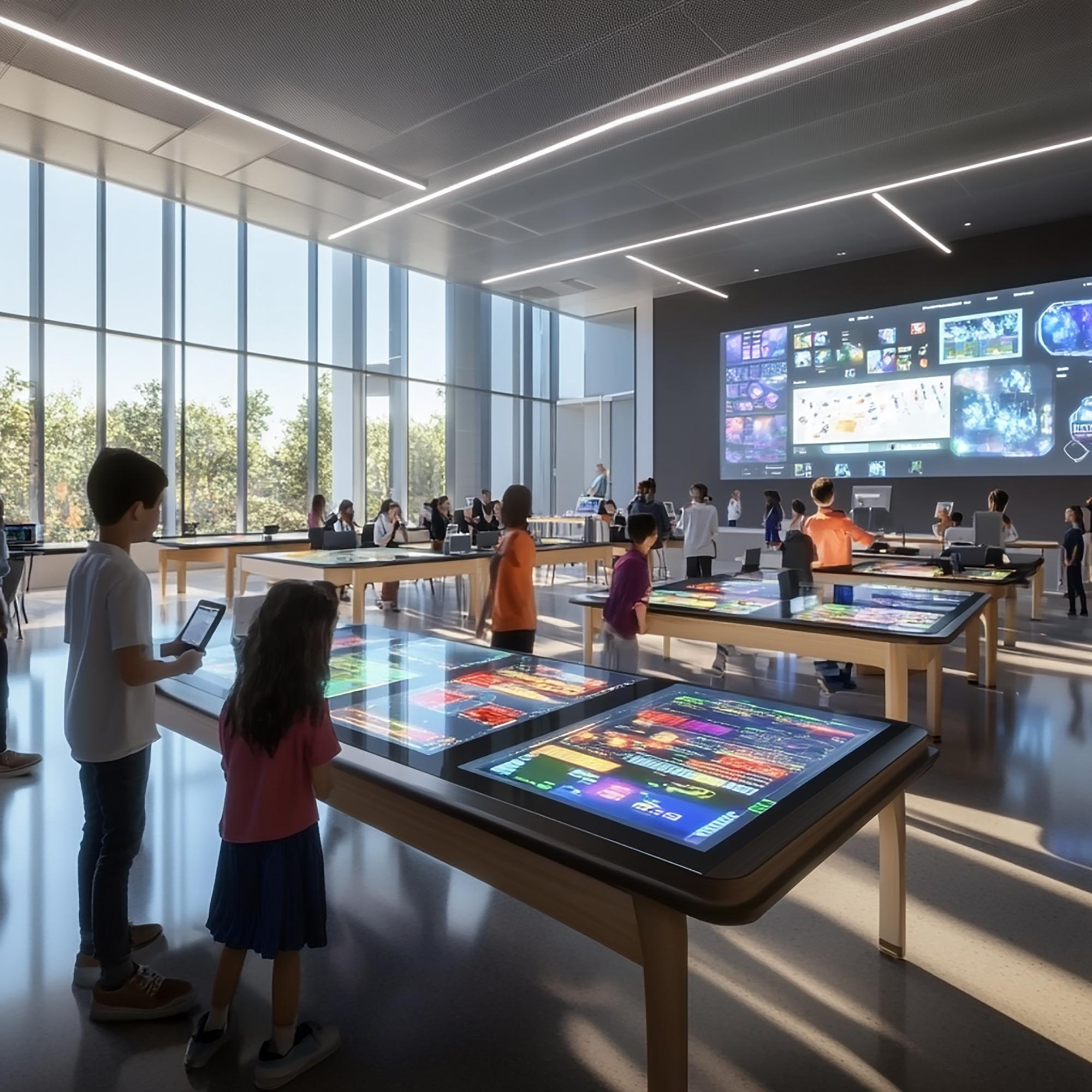
The educational landscape in the United Arab Emirates is undergoing a profound transformation, driven by technological innovation and a commitment to preparing students for the digital age. Smart education, which integrates technology seamlessly into teaching and learning processes, has become central to UAE’s educational vision. Within this context, QR code technology has emerged as a practical, cost-effective tool that educators are leveraging to enhance learning experiences, streamline classroom operations, and engage students in ways that were previously unimaginable.
The Evolution of Smart Education in the UAE
The UAE has positioned itself as a global leader in educational innovation, with government initiatives actively promoting the integration of technology in classrooms. The National Strategy for Education 2017-2021 and subsequent initiatives emphasize the importance of digital literacy, critical thinking, and innovation in education. Smart education in the UAE encompasses not merely the use of technology for its own sake, but rather the thoughtful integration of digital tools to enhance pedagogical outcomes and prepare students for careers in a knowledge-based economy.
Educational institutions across the UAE, from government schools to private and international institutions, have embraced smart education principles. This adoption reflects broader societal recognition that students today need more than traditional classroom instruction to thrive in an increasingly digital world. Smart education initiatives include learning management systems, digital classrooms, online collaboration tools, and innovative technologies that support diverse learning needs.
Why QR Codes Matter in Modern Classrooms?
While QR codes have existed for decades, their educational applications have only recently gained widespread recognition and adoption. QR codes represent a bridge between physical and digital learning environments, enabling teachers to create seamless connections between printed materials and digital resources. In modern classrooms, QR codes serve as gateways to educational content, interactive experiences, and personalized learning pathways.
The significance of QR codes in modern classrooms lies in their simplicity, accessibility, and versatility. Unlike complex technologies that require extensive infrastructure or technical expertise, QR codes can be easily created, printed, and scanned using smartphones that most students already possess. This accessibility democratizes access to digital resources and enables educators to implement technology-enhanced learning without significant additional investment. Furthermore, QR codes can be updated to link to new content without reprinting materials, providing flexibility that traditional printed resources cannot offer.
The Intersection of Technology and Learning
Smart education represents the intersection of technology and learning science, where pedagogical principles guide technology implementation rather than technology driving educational decisions. QR codes exemplify this intersection by serving clear educational purposes while remaining unobtrusive and easy to use. When implemented thoughtfully, QR codes enhance learning without creating technological barriers or distractions.
The role of QR codes in smart education extends beyond simple information access. These codes can facilitate interactive learning experiences, enable real-time feedback, support collaborative learning, and provide teachers with valuable data about student engagement and learning behaviors. By connecting physical classroom spaces with digital learning environments, QR codes help create cohesive educational experiences that leverage the strengths of both modalities.
Understanding QR Code Technology in Educational Context
QR codes, or Quick Response codes, are two-dimensional barcodes that store information in a matrix format. When scanned with a smartphone or tablet, QR codes instantly connect users to digital content, websites, videos, documents, or applications. In educational contexts, QR codes transform static printed materials into dynamic gateways to rich digital resources.
What Makes QR Codes Effective for Learning?
The effectiveness of QR codes in educational settings stems from several key characteristics. First, QR codes are immediately accessible—students can scan codes using devices they already own, eliminating barriers to technology access. Second, QR codes are intuitive—students quickly understand how to scan codes and access content without extensive training. Third, QR codes are flexible—educators can link codes to any digital resource, from videos and websites to interactive applications and online assessments.
Additionally, QR codes support multiple learning modalities. A single QR code can link to text-based content, video tutorials, audio recordings, interactive simulations, or augmented reality experiences. This multimodal approach accommodates diverse learning preferences and supports students with different learning styles. Visual learners benefit from video and graphic content, auditory learners from audio resources, and kinesthetic learners from interactive applications.
QR Codes vs. Traditional Learning Resources
Traditional printed textbooks and materials provide static information that remains unchanged regardless of student needs or evolving knowledge. QR codes, by contrast, enable dynamic, updatable content. When educators discover new resources, they can update QR code links without reprinting materials. This flexibility allows classrooms to stay current with evolving information and emerging research.
Furthermore, QR codes enable personalization that traditional materials cannot provide. Different QR codes can link to different resources, allowing teachers to differentiate instruction by providing varied content based on student needs. A struggling student might scan a QR code linking to a tutorial video, while an advanced student scans a different code linking to enrichment content. This differentiation supports personalized learning in ways traditional materials cannot.
Accessibility and Universal Design
QR codes support universal design principles by providing multiple means of accessing information. Students with visual impairments can access audio content through QR codes. Students with hearing impairments can access visual content. Students with motor difficulties can access content through voice-activated scanning or alternative input methods. This universal design approach ensures that QR code implementations support inclusive education and accommodate diverse student needs.
Accessing Digital Learning Resources
One of the most straightforward applications of QR codes in smart education is providing access to digital learning resources. Teachers can place QR codes on printed materials that link to supplementary digital content, transforming static worksheets into gateways to rich multimedia resources.
Linking to Educational Videos and Tutorials
Educational videos have become central to modern learning, yet students often struggle to locate quality videos or remember URLs. QR codes solve this problem by providing instant access to curated video content. A teacher can place a QR code on a worksheet that links to a video tutorial explaining a complex concept. Students scan the code and immediately access the video, reducing friction in the learning process.
Instead of linking to a single video, educators can now use a QR code to direct students to a curated video playlist. This is perfect for multi-step science experiments, a series of historical documentaries, or a sequence of language lessons. By organizing content into a playlist, teachers can guide students through a structured learning path, ensuring they watch the content in the correct order without getting lost or distracted.
Video content accessed through QR codes can serve multiple purposes. Instructional videos help students understand new concepts. Tutorial videos demonstrate procedures or problem-solving approaches. Demonstration videos show real-world applications of academic content. Documentary videos provide historical context or scientific information. By curating quality video content and making it accessible through QR codes, teachers enhance learning experiences and support students who benefit from visual explanations.
Connecting to Online Learning Platforms
Many schools utilize learning management systems and online platforms that house course materials, assignments, and resources. QR codes provide quick access to these platforms. Rather than asking students to remember URLs or navigate complex menu systems, teachers can place QR codes that link directly to specific resources within learning platforms. This streamlined access encourages student engagement with online resources and reduces technical barriers.
Providing Supplementary Learning Materials
Sharing documents like worksheets, reading materials, or syllabi becomes effortless with QR codes that link directly to a file. Teachers can place a QR code on a presentation slide or a physical handout, allowing students to instantly download a PDF, Word document, or presentation to their own devices. This method ensures every student has a digital copy of important resources, reducing printing costs and streamlining the distribution of class materials.
QR codes enable teachers to provide supplementary materials without overwhelming students with printed handouts. A QR code on a lesson can link to additional practice problems, enrichment activities, vocabulary flashcards, or reference materials. Students access these materials as needed, supporting self-directed learning and allowing students to pursue learning at their own pace.
Enhancing Student Engagement
Student engagement represents a critical factor in learning outcomes. When students are actively engaged, they learn more effectively, retain information longer, and develop deeper understanding. QR codes enhance engagement by creating interactive, technology-mediated learning experiences that appeal to digital-native students.
Interactive Learning Experiences
QR codes can link to interactive educational applications, simulations, and games that engage students in active learning. Rather than passively receiving information, students interact with content, make decisions, solve problems, and receive immediate feedback. This interactive engagement increases motivation and improves learning outcomes.
For example, in a science classroom, QR codes might link to virtual lab simulations where students conduct experiments without access to physical laboratory equipment. In mathematics, QR codes might link to interactive graphing tools or geometry applications. In language arts, QR codes might link to interactive storytelling platforms or vocabulary games. These interactive experiences transform learning from passive reception to active engagement.
Gamified Educational Activities
Gamification—the application of game design elements to educational contexts—has proven effective in increasing student motivation and engagement. QR codes can provide access to gamified learning activities where students earn points, unlock levels, or compete with peers. These game-based elements tap into intrinsic motivation and make learning feel more enjoyable and rewarding.
Educational games accessed through QR codes can reinforce academic content while maintaining student interest. Vocabulary games help students learn new words. Math games develop computational fluency. History games help students remember important dates and events. Science games reinforce scientific concepts. By making learning feel like play, gamified activities increase engagement and improve retention.
Peer-to-Peer Learning Facilitation
QR codes can facilitate peer-to-peer learning by providing access to student-created content, peer feedback systems, and collaborative learning platforms. Students might scan QR codes to access explanations created by classmates, view peer projects, or provide feedback on peer work. This peer-to-peer interaction builds community, develops communication skills, and reinforces learning through teaching others.
Streamlining Classroom Management
Beyond enhancing learning, QR codes streamline classroom management tasks, freeing teachers to focus on instruction rather than administrative duties. QR code-based management systems increase efficiency and provide teachers with valuable data about classroom operations.
Efficient Attendance Tracking
Traditional attendance procedures consume valuable classroom time. Teachers calling roll, waiting for responses, and recording attendance manually represents time that could be devoted to instruction. QR code-based attendance systems enable students to scan codes upon arrival, with attendance automatically recorded. This approach saves time, reduces disruption, and provides accurate attendance data.
Furthermore, QR code attendance systems provide data that teachers can analyze. Teachers can identify patterns of tardiness or absence, recognize students who consistently arrive early, and use this information to support student success. Some systems even send automated notifications to parents when students are absent, improving communication and supporting attendance improvement.
Assignment Submission and Tracking
QR codes can streamline assignment submission and tracking processes. Teachers place QR codes on assignment sheets that link to submission platforms. Students scan codes to access assignment details, submission instructions, rubrics, and examples. Upon completion, students submit assignments through the linked platform, and teachers receive automatic notifications.
This system creates clear organization and reduces confusion about assignment expectations. Students know exactly where to find assignment information and how to submit work. Teachers can track submission status, identify students who haven’t submitted, and provide timely reminders. The automated system reduces administrative burden and improves organization.
Classroom Organization Tools
QR codes support broader classroom organization by providing quick access to classroom procedures, expectations, and resources. A QR code posted in the classroom might link to classroom rules and expectations, helping new students quickly understand classroom norms. Another code might provide access to classroom schedules, seating charts, or resource locations. These organizational tools create structured, efficient classroom environments.
Facilitating Assessment and Feedback
Assessment represents a critical component of effective instruction. Teachers need to understand student learning to inform instructional decisions. QR codes facilitate both formative and summative assessment while enabling real-time feedback that supports student learning.
Quick Assessment Tools
QR codes can link to digital assessment tools including quizzes, polls, and surveys that provide quick insight into student understanding. Rather than administering paper-based assessments, teachers can have students scan QR codes to access digital assessments. Responses are automatically collected and analyzed, providing immediate data about student learning.
These quick assessments serve multiple purposes. Formative assessments help teachers understand student learning during instruction, enabling real-time instructional adjustments. Exit tickets accessed through QR codes help teachers understand what students learned during a lesson and what concepts need reteaching. Pre-assessments accessed through QR codes help teachers understand student prior knowledge before beginning instruction.
Real-Time Feedback Mechanisms
QR codes enable real-time feedback that supports student learning. Digital assessment systems accessed through QR codes can provide immediate feedback on student responses, helping students understand correct answers and learn from mistakes. This immediate feedback is more effective than delayed feedback provided days later.
Furthermore, QR codes can link to feedback resources that help students understand how to improve. A student who scores poorly on a quiz might scan a QR code linking to tutorial videos, practice problems, or study guides. This targeted feedback supports student learning and helps students develop metacognitive awareness of their own learning.
Data-Driven Instruction
Assessment data collected through QR code-based systems provides teachers with valuable information about student learning. Teachers can analyze this data to identify students who need additional support, recognize patterns in student misunderstandings, and adjust instruction accordingly. This data-driven approach to instruction improves learning outcomes by ensuring instruction targets student needs.
Supporting Personalized Learning
Personalized learning represents a key goal of modern education. Rather than all students following identical learning paths, personalized learning allows students to pursue learning at their own pace, following pathways that match their interests and learning needs. QR codes support personalized learning by enabling differentiated instruction and individualized learning paths.
Customized Learning Paths
QR codes can link to different resources based on student needs and learning preferences. Advanced students might scan QR codes linking to enrichment content and complex problems. Students needing additional support might scan QR codes linking to tutorial videos and foundational practice. This differentiation enables all students to learn at appropriate levels of challenge.
Furthermore, QR codes can support student choice in learning pathways. Rather than all students following identical sequences, students might choose from multiple QR codes linking to different resources or learning activities. This choice increases student agency and motivation while supporting personalized learning.
Differentiated Instruction
Differentiated instruction—tailoring instruction to meet diverse student needs—represents a cornerstone of effective teaching. QR codes facilitate differentiation by providing access to varied resources at different complexity levels. A single lesson might include multiple QR codes linking to resources at different levels, allowing teachers to differentiate without creating multiple lesson plans.
For example, in a reading lesson, one QR code might link to a simplified text version for struggling readers, another to grade-level text for proficient readers, and another to advanced text for accelerated readers. All students engage with the same concept but at appropriate reading levels. This differentiation ensures all students can access content and experience success.
Individual Student Tracking
QR code systems can track individual student engagement with resources and learning activities. Teachers can see which students accessed which resources, how long students spent on activities, and which students completed assignments. This individual tracking helps teachers understand student learning patterns and identify students who need additional support or enrichment.
Enabling Collaborative Learning
Collaboration represents an essential 21st-century skill that modern education emphasizes. QR codes facilitate collaborative learning by providing access to collaborative platforms, group project management tools, and peer feedback systems.
Group Project Management
QR codes can link to collaborative project management platforms where students coordinate group work. Team members scan codes to access shared documents, assign tasks, track progress, and communicate with teammates. These platforms keep group work organized and ensure all team members stay informed about project status.
Peer Feedback Systems
QR codes can facilitate peer feedback by providing access to platforms where students share work and receive feedback from classmates. Students scan QR codes to access peer work, provide constructive feedback, and view feedback on their own work. This peer feedback develops critical evaluation skills while providing students with multiple perspectives on their work.
Team-Based Learning Activities
QR codes can provide access to team-based learning activities where students work together to solve problems, complete projects, or explore content. These collaborative activities develop teamwork and communication skills while supporting content learning.
QR Codes in Subject-Specific Applications
The versatility of QR codes enables applications across all subject areas and grade levels. Different subjects leverage QR codes in unique ways that support subject-specific learning objectives.
Language Learning and Vocabulary
In language classrooms, QR codes link to pronunciation guides, vocabulary flashcards, video demonstrations of language use, and language learning applications. Students can practice pronunciation by listening to native speakers, reinforce vocabulary through interactive flashcards, and access authentic language examples. This multimodal approach supports language acquisition and develops communicative competence.
Science and STEM Education
In science classrooms, QR codes link to virtual lab simulations, video demonstrations, interactive models, and supplementary content. Students conduct virtual experiments when physical labs aren’t available, observe phenomena that would be dangerous or impossible to demonstrate in class, and access interactive models that help them understand complex scientific concepts. These resources enhance science learning and develop scientific thinking.
History and Social Studies
In history and social studies classrooms, QR codes link to primary source documents, video documentaries, virtual museum tours, interactive timelines, and historical photographs. Students access authentic historical materials, view historical events through documentary footage, and explore historical sites virtually. These resources bring history to life and help students develop historical thinking skills.
Art and Creative Subjects
In art classrooms, QR codes link to artist portfolios, technique tutorials, virtual gallery tours, and creative inspiration resources. Students study diverse artistic approaches, learn techniques from master artists, and explore art movements through virtual galleries. These resources support creative development and expose students to diverse artistic traditions.
Visual learning can be significantly enhanced by linking a single QR code to an entire image gallery. For instance, an art history worksheet could feature a QR code that opens a gallery of a specific artist’s portfolio, or a science textbook could link to a collection of high-resolution images from a microscope. This allows educators to provide a rich, visual context that goes far beyond the limitations of a printed page, making lessons more engaging and memorable.
Benefits of QR Codes in the UAE Classrooms
The implementation of QR codes in UAE classrooms offers numerous benefits that extend beyond simple information access. These benefits support educational goals and enhance learning outcomes.
Accessibility and Inclusivity
QR codes support diverse learning needs by providing multiple means of accessing content. Students with visual impairments can access audio content. Students with hearing impairments can access visual content. Students with motor difficulties can access content through voice-activated scanning. This universal design approach ensures that QR code implementations support inclusive education and accommodate all students.
Cost-Effectiveness
QR codes are inexpensive to create and implement. Schools can enhance learning experiences without significant additional investment. This cost-effectiveness enables broader adoption across schools and classrooms, making technology-enhanced learning accessible to all students regardless of school resources.
Flexibility and Adaptability
QR codes can be updated to link to new content without reprinting materials. This flexibility enables teachers to adapt content as needed and stay current with evolving educational resources. When a teacher discovers a better resource or when content becomes outdated, the QR code link can be updated instantly.
Student Engagement and Motivation
Student engagement and motivation represent critical factors in academic success. QR codes increase engagement by creating technology-mediated learning experiences that appeal to digital-native students and make learning feel contemporary and relevant.
Technology Integration Appeal
Today’s students have grown up with technology and expect technology integration in their learning environments. QR codes appeal to this expectation by incorporating technology into classroom learning. The novelty of scanning codes and accessing digital content captures student interest and increases engagement.
Independent Resource Access
QR codes enable students to independently access resources without relying on teachers to provide URLs or navigate complex systems. This independence appeals to students and supports self-directed learning. Students can pursue learning at their own pace, accessing resources as needed to support their understanding.
Interactive Learning Experiences
QR codes provide access to interactive learning experiences that are more engaging than passive reception of information. Students interact with content, make decisions, solve problems, and receive feedback. This active engagement increases motivation and improves learning outcomes.
Data Collection and Analysis
Modern education increasingly emphasizes data-driven decision making. QR code systems collect valuable data about student engagement, learning behaviors, and resource access patterns. Teachers can analyze this data to improve instruction and support student success.
Tracking Student Engagement
QR code systems track which students accessed which resources, when they accessed them, and how long they spent on activities. This engagement data helps teachers understand student learning patterns and identify students who might need additional support or enrichment.
Analyzing Learning Behaviors
Data from QR code systems reveals patterns in student learning behaviors. Teachers can see which resources students find most helpful, which activities students spend the most time on, and which students engage most actively with digital resources. This analysis informs decisions about resource selection and activity design.
Informing Instructional Decisions
The data collected through QR code systems informs instructional decisions. If data shows that many students struggle with a particular concept, teachers can provide additional resources or reteach the concept. If data shows that certain resources are particularly effective, teachers can incorporate similar resources into future lessons. This data-driven approach ensures instruction targets student needs.
Preparing Students for Digital Future
Education prepares students not only for current success but for future careers and lives in an increasingly digital world. QR codes help prepare students for this digital future by building digital literacy skills and fostering comfort with technology.
Building Digital Literacy Skills
Digital literacy—the ability to effectively use technology to find, evaluate, and communicate information—represents an essential skill for the 21st century. Using QR codes in classrooms develops digital literacy by requiring students to interact with technology, navigate digital resources, and evaluate online information. These experiences build skills that students will need throughout their lives.
Technology Familiarity
Regular interaction with QR codes and the digital resources they access builds student familiarity with technology. Students become comfortable using technology for learning, develop confidence in their technological abilities, and recognize technology as a tool for learning. This familiarity prepares students for technology-rich educational and work environments.
21st Century Skills Development
Beyond digital literacy, QR code-based learning supports development of other 21st-century skills including critical thinking, collaboration, and communication. Interactive learning experiences accessed through QR codes require students to think critically and solve problems. Collaborative activities accessed through QR codes develop teamwork and communication skills. These experiences prepare students for success in modern careers and society.
UAE-Specific Context and Initiatives
The UAE’s commitment to educational innovation creates a favorable context for QR code adoption in classrooms. Understanding this context helps educators appreciate the significance of QR codes in UAE education.
Government Support for Smart Education
The UAE government actively promotes smart learning initiatives through policy, funding, and infrastructure development. Government schools receive support for technology integration, and private schools compete to offer innovative educational experiences. This government support creates an environment where QR code adoption is encouraged and supported.
Tech-Savvy Student Population
UAE students are generally tech-savvy and comfortable with technology-based learning. Many students have access to smartphones and internet connectivity. This technological familiarity facilitates QR code adoption and enables students to quickly understand how to use QR codes for learning.
International School Leadership
Many international schools in the UAE are early adopters of innovative educational technologies. These schools often serve as models for other institutions, demonstrating how QR codes and other technologies can enhance learning. Their leadership in technology adoption influences broader educational practice in the UAE.
Emphasis on 21st Century Skills
UAE educational policies emphasize developing 21st-century skills that prepare students for success in modern careers. QR code-based learning supports this emphasis by facilitating development of critical thinking, collaboration, and communication skills.
Critical Thinking Development
Interactive learning experiences accessed through QR codes require students to think critically, analyze information, and solve problems. Rather than passively receiving information, students engage with content, make decisions, and evaluate outcomes. This active engagement develops critical thinking skills essential for success in modern careers.
Collaboration and Communication
Collaborative learning activities accessed through QR codes develop teamwork and communication skills. Students work together to solve problems, share ideas, and provide feedback to peers. These collaborative experiences develop skills that employers value and that students need for success in modern workplaces.
Digital Citizenship
Using QR codes and digital resources in classrooms provides opportunities to develop digital citizenship skills. Students learn to evaluate online information critically, use technology responsibly, and respect digital privacy and security. These skills prepare students to be responsible digital citizens.
Challenges and Considerations
While QR codes offer numerous benefits, educators should be aware of challenges and considerations that affect implementation success.
Technology Access and Equity
Not all students have access to smartphones or reliable internet connectivity. Schools must ensure equitable access to technology to prevent digital divides. Some schools provide devices for students who lack personal technology. Others provide alternative access methods for students without devices. Addressing technology access ensures that QR code implementations support all students.
Teacher Training and Support
Teachers require training on QR code creation, implementation, and integration into curriculum. Ongoing support ensures that teachers feel confident using QR codes and understand how to leverage them effectively for learning. Professional development should address both technical skills and pedagogical applications.
Screen Time Concerns
Educators and parents express concerns about excessive screen time in schools. While QR codes can enhance learning, they should be balanced with other learning modalities. QR codes should support learning objectives rather than replace all traditional instruction. Thoughtful implementation ensures that QR codes enhance rather than dominate classroom learning.
Content Quality and Curation
The quality of content accessed through QR codes varies significantly. Teachers must carefully curate content to ensure educational value and alignment with curriculum standards. Not all online content is appropriate for educational use. Teachers should preview resources before sharing them with students and evaluate content for accuracy, relevance, and appropriateness.
Ensuring Educational Value
QR codes should link to content that supports clear learning objectives. Content should be accurate, age-appropriate, and aligned with curriculum standards. Teachers should evaluate resources critically before incorporating them into instruction.
Curriculum Alignment
QR code implementations should align with curriculum standards and learning objectives. QR codes should support rather than distract from core learning goals. Teachers should ensure that QR code activities contribute meaningfully to student learning.
Teacher Role in Content Selection
Teachers play a critical role in selecting and curating content accessed through QR codes. Rather than allowing students to follow random QR codes, teachers should intentionally select resources that support learning objectives. This curation ensures that QR code implementations support rather than hinder learning.
Implementation Best Practices
Successful QR code implementation requires thoughtful planning and attention to best practices. These practices help ensure that QR codes enhance rather than complicate classroom learning.
Clear Learning Objectives
Every QR code implementation should serve clear learning objectives. QR codes should not be used for novelty but rather to support specific learning goals. Before implementing QR codes, teachers should identify what students should learn and how QR codes will support that learning.
Quality Content Curation
Teachers should carefully select and curate content accessed through QR codes. Content should be accurate, age-appropriate, and aligned with curriculum standards. Teachers should preview resources before sharing them with students.
Student Training and Guidelines
Students should receive training on QR code use and expectations for appropriate use in classroom contexts. Teachers should establish clear guidelines about when and how QR codes can be used. This training ensures that students use QR codes appropriately and productively.
Accessibility and Inclusive Design
QR code implementations should consider accessibility needs of all students. Universal design principles should guide implementation to ensure that QR codes support rather than exclude students with disabilities.
Supporting Diverse Learning Needs
QR codes should provide multiple means of accessing content to support diverse learning needs. Content should be available in multiple formats—text, audio, video, interactive. This multimodal approach ensures that students with different learning preferences and abilities can access content.
Universal Design Principles
Universal design principles guide the creation of learning environments and resources that are accessible to all students. QR code implementations should follow these principles by providing multiple means of representation, action, and engagement. This universal design approach ensures inclusive education.
Accommodating All Students
QR code implementations should accommodate students with disabilities. Alternative access methods should be available for students who cannot scan codes. Content should be accessible to students with visual, hearing, motor, or cognitive disabilities. Thoughtful implementation ensures that QR codes support all students.
Real-World Classroom Examples
QR codes have been successfully implemented across diverse classroom contexts and grade levels. These real-world examples illustrate how QR codes enhance learning in practice.
Elementary Classroom Implementation
In elementary classrooms, QR codes link to educational videos, interactive games, and virtual field trips. First-grade teachers use QR codes to provide access to letter-sound videos. Third-grade teachers use QR codes to link to math tutorial videos. Fifth-grade teachers use QR codes to provide access to virtual museum tours. These implementations engage young learners and support content learning.
Secondary School Applications
In secondary schools, QR codes support more complex learning. High school science teachers use QR codes to link to virtual lab simulations. English teachers use QR codes to link to author interviews and literary analysis resources. History teachers use QR codes to link to primary source documents and historical documentaries. These implementations support deeper learning and develop critical thinking skills.
Special Education Integration
QR codes support inclusive education by providing accessible content for students with disabilities. QR codes can link to content in multiple formats, supporting students with diverse learning needs. Students with visual impairments can access audio content. Students with hearing impairments can access visual content. This accessibility ensures that QR codes support inclusive education.
Future Trends in Educational QR Codes
QR code technology continues to evolve, with emerging trends that will shape future educational applications.
Augmented Reality Integration
Future QR code implementations will increasingly integrate augmented reality, enabling immersive educational experiences. Students might scan QR codes to view 3D models, explore virtual environments, or interact with augmented reality content. These immersive experiences will enhance learning and engagement.
Personalized Learning Paths
QR codes could link to adaptive learning systems that personalize content based on individual student needs and learning styles. As students interact with content, the system adapts to provide appropriately challenging material. This personalization will support more effective learning.
Blockchain-Based Credentialing
Future QR codes could enable blockchain-based verification of student credentials and learning achievements. Students could scan QR codes to verify completion of courses or achievement of competencies. This credentialing approach could transform how educational achievements are recognized and verified.
Conclusion and Getting Started
QR codes represent a practical, cost-effective tool for enhancing smart education in UAE classrooms. When implemented thoughtfully with clear learning objectives, quality content, and consideration for student needs, QR codes can increase engagement, support personalized learning, and prepare students for technology-rich futures.
QR codes bridge physical and digital learning environments, enabling seamless access to digital resources. QR codes support diverse learning needs through universal design principles. QR codes facilitate data-driven instruction by collecting valuable information about student engagement and learning. QR codes prepare students for digital futures by building digital literacy and 21st-century skills. QR codes are cost-effective and flexible, enabling broad adoption across schools and classrooms.
Why QR Codes Matter for Smart Education?
As UAE continues advancing smart education initiatives, QR codes will play an increasingly important role in modern classroom environments. These codes represent practical technology that enhances learning without creating barriers or complexity. By connecting physical classrooms with digital resources, QR codes enable educators to create cohesive learning experiences that leverage the strengths of both modalities.
Next Steps for Educators
Educators interested in implementing QR codes should start small by identifying one or two classroom applications where QR codes could enhance learning. Teachers might create QR codes linking to supplementary resources or assessment tools. As teachers gain experience and confidence, they can expand QR code implementation to additional applications. Professional development and peer collaboration support successful implementation.
By thoughtfully implementing QR codes with clear learning objectives and attention to best practices, educators can enhance learning experiences, increase student engagement, and prepare students for success in the digital age. QR codes represent not a revolutionary technology but rather a practical tool that, when used wisely, enhances the educational experiences of students in UAE classrooms and beyond.
