


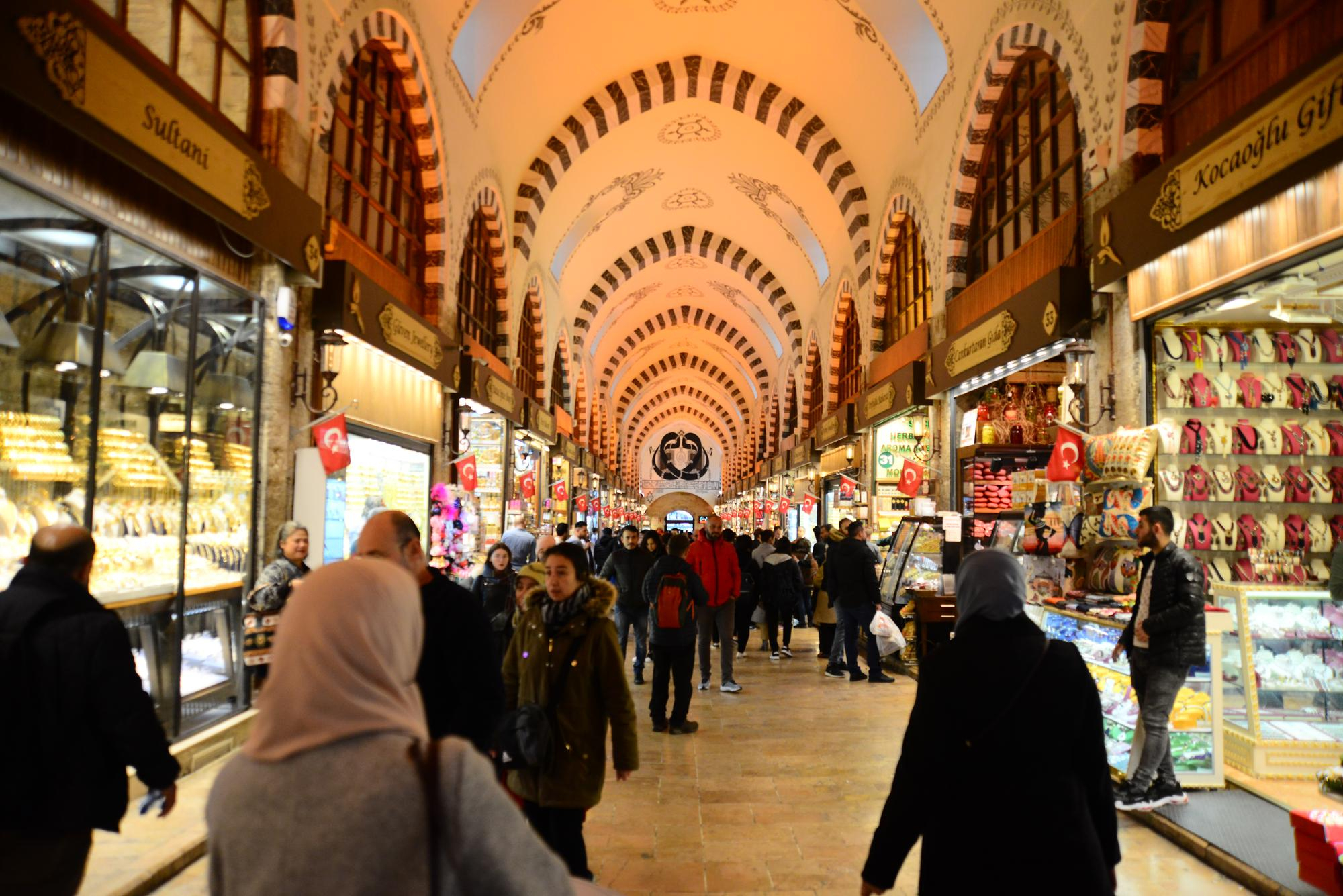
Beyond Luxury: Exploring Niche Tourism Markets in the UAE
The UAE tourism landscape is undergoing a profound transformation. For decades, the Emirates have been synonymous with ultra-luxury tourism—iconic skyscrapers, opulent resorts, and exclusive experiences catering to high-net-worth individuals. While this luxury segment remains significant, a new tourism reality is emerging. Increasingly diverse visitor demographics are seeking authentic experiences, adventure, cultural immersion, and wellness—experiences that transcend traditional luxury tourism. Niche tourism UAE is no longer a peripheral market segment but a rapidly growing opportunity reshaping how the Emirates attract, engage, and retain visitors. For tourism entrepreneurs, hospitality professionals, and business leaders, understanding these emerging niche tourism markets represents a strategic opportunity to differentiate offerings, access growing visitor segments, and build sustainable tourism businesses in an increasingly competitive market.
The market evidence is compelling. Tourism research firms report that niche tourism segments—adventure tourism, cultural tourism, eco-tourism, wellness tourism, and experiential tourism—are growing at 15-25% annually, substantially outpacing traditional luxury tourism growth of 6-8%. The UAE government has recognized this opportunity, with the Ministry of Tourism and Antiquities establishing initiatives supporting niche tourism development and sustainability. International visitor surveys reveal that 62% of tourists visiting the UAE now seek experiences beyond traditional luxury offerings, with adventure and cultural experiences ranking among the top desired activities. These statistics demonstrate that niche tourism in UAE represents not merely a supplementary market but a fundamental shift in tourism demand and opportunity.
This article explores the diverse niche tourism markets reshaping UAE tourism, examines practical business opportunities for tourism entrepreneurs, and provides strategic insights for building successful niche tourism ventures in the Emirates.
The Evolution of Tourism in UAE – From Luxury to Diverse Experiences
The UAE’s tourism journey reflects broader global trends in travel and tourism evolution, shaped by the Emirates’ unique position as a global business and tourism hub. Understanding this evolution provides essential context for recognizing niche tourism opportunities and positioning tourism businesses for success.
The early days of UAE tourism were characterized by luxury-focused positioning. As the Emirates rapidly developed economically and invested in world-class infrastructure, tourism marketing emphasized exclusivity, opulence, and premium experiences. The development of iconic properties like the Burj Al Arab, Palm Jumeirah, and ultra-luxury resorts created a global perception of the UAE as a destination for affluent travelers seeking the most exclusive experiences. This luxury positioning was strategically sound, attracting high-spending visitors and generating substantial tourism revenue. The luxury tourism segment remains important and profitable, but market dynamics have shifted.
Several factors have driven this evolution. First, market saturation in the luxury segment has increased competition and compressed profit margins. As more luxury properties opened across the UAE and competing destinations developed comparable offerings, luxury tourism operators faced increased pressure. Second, changing visitor demographics have expanded the addressable tourism market. Younger travelers, families, adventure enthusiasts, and culturally curious visitors represent growing segments with different preferences and spending patterns than traditional luxury tourists. Third, global tourism trends have shifted toward experiential and authentic travel. Research consistently shows that modern travelers increasingly value authentic experiences, cultural immersion, and personal growth over material luxury.
The UAE government has actively supported this tourism diversification. The Dubai Tourism Board, Abu Dhabi Department of Culture and Tourism, and Ministry of Tourism and Antiquities have launched initiatives promoting diverse tourism experiences, supporting heritage preservation, and encouraging tourism entrepreneurship in emerging segments. These government initiatives have created a supportive environment for niche tourism development and innovation.
Today, the UAE tourism market encompasses a rich diversity of experiences. While luxury tourism remains substantial, niche tourism segments are rapidly expanding. Adventure tourism operators report 40% year-over-year growth in bookings. Cultural tourism experiences are increasingly popular, with heritage sites and local experiences attracting record visitor numbers. Wellness tourism is emerging as a significant segment, with wellness retreats and health tourism facilities expanding rapidly. This diversification strengthens the UAE tourism market, reduces dependence on luxury tourism, and creates opportunities for entrepreneurs and businesses across multiple tourism segments.
Understanding Niche Tourism Markets – Definitions and Segments
Niche tourism encompasses diverse tourism segments, each with distinct characteristics, target demographics, and business models. Understanding these different segments is essential for entrepreneurs identifying opportunities aligned with their capabilities, interests, and market positioning.
Adventure tourism represents one of the most dynamic niche tourism segments. This category encompasses outdoor activities and experiences providing physical challenge, adrenaline, and connection with natural environments. In the UAE context, adventure tourism includes desert safaris and dune bashing, rock climbing and mountaineering, water sports including kayaking and paddleboarding, skydiving and paragliding, and off-road vehicle adventures. Adventure tourism appeals to younger demographics, thrill-seekers, and travelers seeking active engagement with their destinations. The market for adventure tourism is substantial and growing, with adventure tour operators reporting strong demand and premium pricing opportunities.
Cultural tourism focuses on authentic experiences, heritage preservation, and connection with local cultures and traditions. This segment includes heritage site tourism visiting historical locations and archaeological sites, local cultural experiences including traditional crafts and artisan workshops, community-based tourism supporting local communities, cultural festivals and events, and culinary tourism exploring traditional cuisine and food culture. Cultural tourism appeals to intellectually curious travelers, cultural enthusiasts, and visitors seeking deeper understanding of destinations. The UAE’s rich cultural heritage—Islamic architecture, Bedouin traditions, pearl diving history, traditional crafts—provides substantial cultural tourism opportunities.
Eco-tourism and sustainable tourism focus on environmental conservation, sustainability, and responsible tourism practices. This segment includes nature-based tourism in protected areas and natural reserves, wildlife observation and conservation tourism, environmental education tourism, sustainable accommodation and green tourism facilities, and carbon-neutral and low-impact tourism experiences. Eco-tourism appeals to environmentally conscious travelers and those seeking nature-based experiences. While the UAE is primarily desert environment, eco-tourism opportunities include mangrove ecosystems, desert conservation, and sustainable tourism practices across all tourism segments.
Wellness and health tourism encompasses experiences focused on physical health, mental wellbeing, and personal rejuvenation. This segment includes wellness retreats combining relaxation, fitness, and holistic health practices, spa and therapeutic tourism, medical tourism and health-focused travel, fitness and sports tourism, and mental health and mindfulness tourism. Wellness tourism appeals to health-conscious travelers, those seeking stress relief and rejuvenation, and visitors prioritizing personal wellbeing. The wellness tourism market is experiencing explosive growth globally, with the UAE positioning itself as a wellness destination.
Experiential tourism focuses on immersive, memorable experiences providing personal growth, skill development, or unique engagement. This segment includes immersive cultural experiences providing deep cultural engagement, skill-building tourism enabling visitors to learn new skills, culinary tourism and food experiences, photography and creative tourism, and adventure learning combining education with outdoor adventure. Experiential tourism appeals to travelers seeking meaningful engagement, personal development, and memorable stories to share.
Adventure Tourism – Market Opportunities and Success Stories
Adventure tourism represents one of the most vibrant and rapidly growing niche tourism segments in the UAE. The combination of dramatic desert landscapes, coastal environments, and outdoor infrastructure creates exceptional opportunities for adventure tourism operators to create thrilling, memorable experiences that attract diverse visitor demographics.
The UAE’s geography provides ideal conditions for diverse adventure experiences. Desert adventures are among the most popular, with dune bashing, desert camping, and sand-based activities attracting tens of thousands of visitors annually. Operators have evolved desert adventures from simple vehicle tours to comprehensive experiences combining adventure, cultural immersion, and culinary experiences. A leading Dubai-based adventure operator developed a premium desert experience combining dune bashing with Bedouin cultural immersion, traditional falconry demonstration, and gourmet dining under the stars. The experience, priced at AED 850 per person, attracts 500+ visitors monthly and has achieved 4.8/5 star ratings across tourism platforms. The operator’s success demonstrates that visitors willingly pay premium prices for authentic, well-designed adventure experiences.
Water-based adventure tourism is equally dynamic. The UAE’s extensive coastline and marine environments enable kayaking, paddleboarding, jet skiing, diving, and snorkeling experiences. A Abu Dhabi-based operator specializing in marine adventure tourism offers guided kayaking tours through mangrove ecosystems, combining adventure with environmental education and wildlife observation. The business, operating for three years, has grown to 60+ tours monthly with 85% customer satisfaction ratings. The operator has expanded to offer diving certifications, marine conservation tourism, and corporate team-building adventures, demonstrating the diverse revenue opportunities within marine adventure tourism.
Mountain and rock climbing tourism is emerging as a significant segment. While the UAE lacks traditional mountains, the Hajar Mountains in the UAE-Oman border region provide excellent climbing opportunities. Several operators have developed rock climbing and mountaineering experiences attracting adventure enthusiasts globally. One operator offers multi-day climbing expeditions, climbing certifications, and corporate climbing challenges, generating AED 2.5 million in annual revenue from a team of just five guides.
Extreme sports tourism is another growing segment. Skydiving, paragliding, and BASE jumping attract thrill-seekers willing to pay premium prices for adrenaline-pumping experiences. A Dubai-based skydiving operator conducts 50+ tandem skydives weekly at AED 1,200 per jump, generating substantial revenue while maintaining excellent safety records and customer satisfaction.
The business model for adventure tourism typically involves experience design, equipment and infrastructure investment, trained guide recruitment, safety management, and customer experience optimization. Successful operators differentiate through unique experiences, exceptional safety records, professional guides, and outstanding customer service. The market demonstrates strong demand, premium pricing opportunities, and potential for profitable growth.
Cultural Tourism – Preserving Heritage While Creating Business Value
Cultural tourism represents a unique opportunity to preserve and celebrate UAE heritage while creating sustainable business value. The Emirates possess rich cultural heritage spanning centuries—Islamic architecture, Bedouin traditions, pearl diving history, traditional crafts, and local customs—that appeals to culturally curious visitors seeking authentic experiences and deeper understanding of destinations.
Heritage tourism focused on historical sites and archaeological locations is growing rapidly. The Sheikh Mohammed Centre for Cultural Understanding in Dubai has become one of the UAE’s most popular cultural attractions, welcoming 50,000+ annual visitors seeking to understand Emirati culture, traditions, and values. The center offers guided tours, cultural discussions, and traditional meals, generating revenue while serving an educational mission. The success of this model has inspired similar initiatives across the UAE, with heritage sites, museums, and cultural centers increasingly offering experiential tourism programs.
Local cultural experiences and community-based tourism create direct economic benefits for local communities while providing visitors with authentic cultural engagement. Several initiatives enable visitors to participate in traditional crafts—henna painting, traditional weaving, pottery, and calligraphy—guided by local artisans. These experiences, typically priced at AED 150-400 per person, attract 20-50 visitors daily, generating meaningful income for artisans while preserving traditional skills and cultural knowledge. A particularly successful initiative in Al Ain enables visitors to participate in traditional date farming, learning about date cultivation, harvesting, and processing while supporting local farmers. The program attracts 100+ visitors monthly and has generated interest from other agricultural communities seeking similar tourism opportunities.
Cultural festivals and events represent another significant tourism opportunity. The UAE hosts numerous cultural events—Dubai Shopping Festival, Abu Dhabi Film Festival, various cultural weeks—that attract international visitors and generate substantial tourism revenue. Beyond government-sponsored events, private operators are developing cultural experiences around specific themes—traditional music festivals, cultural craft fairs, heritage celebration events—that attract niche audiences and generate profitable tourism revenue.
Culinary tourism focused on traditional UAE cuisine is emerging as a significant segment. Traditional Emirati cuisine, featuring dishes like Al Harees, Majboos, and Luqaimat, is increasingly featured in tourism experiences. Several restaurants and culinary tourism operators offer cooking classes, traditional meal experiences, and culinary tours exploring local food culture. These experiences, priced at AED 200-600 per person, attract food enthusiasts and culturally curious travelers, generating revenue while promoting local culinary traditions.
The business model for cultural tourism emphasizes authenticity, community engagement, and educational value. Successful operators partner with local communities, employ local guides and artisans, and design experiences providing genuine cultural engagement rather than superficial tourist performances. This approach generates economic benefits for local communities, preserves cultural heritage, and creates memorable experiences that visitors value highly.
Eco-Tourism and Sustainable Tourism – Environmental Responsibility and Profitability
Eco-tourism and sustainable tourism represent growing market opportunities while addressing environmental concerns and supporting conservation objectives. The UAE, despite its desert environment, possesses unique ecosystems—mangrove forests, coral reefs, desert wildlife—worthy of conservation and tourism development.
Mangrove ecosystem tourism has become increasingly popular. The mangrove forests along the UAE coast provide critical habitat for marine life, birds, and other wildlife while offering unique tourism experiences. Several operators offer guided kayaking tours through mangrove ecosystems, combining adventure with environmental education and wildlife observation. These experiences, priced at AED 300-500 per person, attract environmentally conscious travelers and families seeking nature-based experiences. The tours typically include education about mangrove ecology, wildlife observation, and conservation messages, creating awareness about environmental protection while generating tourism revenue.
Desert conservation tourism focuses on protecting desert ecosystems and wildlife. The Arabian oryx, a species nearly extinct in the wild, has been successfully reintroduced to protected desert areas through conservation programs. Several operators offer desert wildlife tours combining adventure with conservation education, with portions of tour revenue supporting conservation efforts. These experiences appeal to conservation-minded travelers and those seeking meaningful engagement with environmental protection.
Sustainable accommodation and green tourism facilities are emerging as significant market opportunities. Several eco-lodges and sustainable resorts have been developed across the UAE, featuring environmentally responsible design, renewable energy, water conservation, and waste management practices. These facilities attract environmentally conscious travelers willing to pay premium prices for sustainable accommodations. A particularly successful eco-resort in the UAE desert region combines luxury accommodation with minimal environmental impact, featuring solar power, water recycling, and zero-waste practices. The resort attracts 80% occupancy rates at premium pricing, demonstrating strong market demand for sustainable tourism facilities.
Environmental education tourism, where visitors participate in conservation activities and learn about environmental protection, is growing. Several initiatives enable visitors to participate in mangrove restoration, coral reef restoration, or desert cleanup activities, combining tourism with environmental conservation. These experiences, often offered at lower prices than traditional tourism activities, attract environmentally motivated travelers and generate positive environmental impact while building brand loyalty and community goodwill.
The business model for eco-tourism emphasizes environmental responsibility, conservation contribution, and authentic nature-based experiences. Successful operators implement genuine sustainability practices, contribute to conservation efforts, and educate visitors about environmental protection. This approach attracts environmentally conscious travelers, generates positive environmental impact, and builds long-term business sustainability through responsible practices.
Wellness and Health Tourism – The Growing Wellness Market
Wellness and health tourism represents one of the fastest-growing tourism segments globally, with the UAE positioning itself as a premier wellness destination. The combination of luxury facilities, professional expertise, and year-round climate creates exceptional opportunities for wellness tourism businesses.
Wellness retreats combining relaxation, fitness, and holistic health practices have become increasingly popular. Several luxury resorts and dedicated wellness facilities offer multi-day wellness programs featuring yoga, meditation, fitness training, nutritional counseling, spa treatments, and holistic health practices. These retreats, priced at AED 5,000-15,000 per person for multi-day programs, attract health-conscious travelers seeking comprehensive wellness experiences. A particularly successful wellness retreat in the UAE combines luxury accommodation with professional wellness programming, attracting 200+ guests monthly and achieving 90% repeat booking rates.
Spa and therapeutic tourism focuses on relaxation, stress relief, and therapeutic treatments. The UAE hosts numerous world-class spas offering traditional and modern therapeutic treatments. Spa tourism appeals to travelers seeking relaxation and stress relief, with spa experiences ranging from day visits to multi-day spa retreats. The market demonstrates strong demand, with successful spas reporting 70-80% occupancy rates and premium pricing.
Medical tourism and health-focused travel is significant in the UAE, with world-class medical facilities attracting international patients seeking medical procedures combined with recovery tourism. The UAE’s advanced medical infrastructure, professional expertise, and luxury recovery facilities have positioned the Emirates as a medical tourism destination. While medical tourism involves complex regulatory and ethical considerations, the market demonstrates substantial opportunity for healthcare providers and hospitality businesses.
Fitness and sports tourism combines athletic activities with tourism experiences. Marathon events, cycling tours, fitness camps, and sports-focused retreats attract athletes and fitness enthusiasts. The UAE hosts numerous sporting events and fitness tourism experiences attracting international participants.
Mental health and mindfulness tourism is emerging as a significant segment. Stress, anxiety, and mental health challenges are increasingly recognized as health concerns, driving demand for mindfulness retreats, meditation programs, and mental health-focused tourism experiences. Several operators offer specialized programs addressing stress management, anxiety reduction, and mental wellbeing through mindfulness, meditation, and therapeutic practices.
The wellness tourism market demonstrates strong growth, premium pricing opportunities, and substantial profit potential. Successful wellness tourism businesses combine professional expertise, luxury facilities, personalized programming, and exceptional customer service to create transformative wellness experiences that justify premium pricing and generate strong customer loyalty.
Experiential Tourism – Creating Memorable Immersive Experiences
Experiential tourism focuses on creating memorable, immersive experiences providing personal growth, skill development, or unique engagement. This segment appeals to travelers seeking meaningful engagement beyond passive sightseeing, willing to pay premium prices for transformative experiences.
Immersive cultural experiences provide deep cultural engagement and authentic connection with local communities. Rather than observing culture from a distance, immersive experiences enable visitors to participate in cultural activities, learn from local experts, and develop genuine understanding. A particularly successful initiative enables visitors to spend a day with a local Emirati family, participating in daily activities, learning about family traditions, sharing meals, and developing personal connections. This experience, priced at AED 600-800 per person, attracts 30-50 visitors monthly and has generated substantial positive feedback and repeat bookings.
Skill-building tourism enables visitors to learn new skills while traveling. Photography tourism, cooking classes, traditional craft workshops, language learning, and various skill-building activities appeal to learners seeking personal development through travel. A Dubai-based photography tourism operator offers guided photography tours combining sightseeing with professional photography instruction, enabling participants to develop photography skills while capturing stunning images. The program attracts 20-30 participants monthly at AED 1,500-2,500 per person, generating substantial revenue while building a community of photography enthusiasts.
Culinary tourism and food experiences enable visitors to explore local cuisine, learn cooking techniques, and engage with food culture. Cooking classes, food tours, farm-to-table experiences, and culinary workshops appeal to food enthusiasts and travelers seeking cultural engagement through cuisine. The market demonstrates strong demand, with successful culinary tourism operators reporting 60-80% booking rates and premium pricing.
Photography and creative tourism combines travel with creative pursuits. Photography tours, painting workshops, writing retreats, and various creative tourism experiences appeal to artists and creative professionals seeking inspiration and skill development. These experiences, typically priced at AED 2,000-5,000 per person for multi-day programs, attract dedicated participants willing to invest substantially in creative development.
Personalized and customized experiences represent the ultimate in experiential tourism. Rather than standardized group tours, some operators design completely customized experiences tailored to individual interests, preferences, and objectives. These bespoke experiences command premium pricing—often AED 10,000+ per person—but attract affluent travelers seeking unique, personalized engagement.
The business model for experiential tourism emphasizes authenticity, personalization, skill development, and memorable engagement. Successful operators design experiences providing genuine value, personal growth, and transformative engagement that justify premium pricing and generate strong customer satisfaction and loyalty.
Business Opportunities for Tourism Entrepreneurs
The expanding niche tourism market creates numerous business opportunities for entrepreneurs seeking to build tourism ventures in the UAE. Understanding market opportunities, entry strategies, and success factors is essential for aspiring tourism entrepreneurs.
Market entry strategies vary depending on the specific niche tourism segment. Some entrepreneurs start with small-scale operations—individual guides offering specialized tours, artisans offering craft workshops, or wellness practitioners offering specialized services—and gradually expand. Others develop comprehensive tourism packages combining multiple services and experiences. The most successful approach depends on the entrepreneur’s capabilities, capital availability, and target market.
Startup costs and investment requirements vary substantially across niche tourism segments. Adventure tourism operations require significant equipment investment—vehicles, safety equipment, facilities—with startup costs typically ranging from AED 200,000-1,000,000 depending on the specific activities and scale. Cultural tourism experiences often require lower capital investment, with successful operations starting with AED 50,000-200,000 for small-scale experiences. Wellness tourism facilities require substantial investment in facilities and professional expertise, with startup costs typically exceeding AED 500,000.
Revenue models vary across segments. Adventure tourism typically operates on per-person pricing models, with prices ranging from AED 200-2,000+ per person depending on the experience. Cultural tourism experiences range from AED 100-800 per person. Wellness tourism commands premium pricing, with retreat programs priced at AED 5,000-15,000+ per person. Successful operators often develop multiple revenue streams—direct experience sales, corporate team-building packages, accommodation, food and beverage, equipment rental—to optimize revenue and profitability.
Marketing and customer acquisition strategies are critical for tourism business success. Successful operators utilize multiple channels—tourism platforms like TripAdvisor and Viator, social media marketing, partnerships with hotels and travel agencies, content marketing, and word-of-mouth referrals. Digital marketing is particularly important, as most international tourists research and book tourism experiences online.
Tourism entrepreneurs can leverage QR-enabled video playlists to create compelling digital marketing experiences that showcase niche tourism offerings—from adventure activity previews and cultural heritage introductions to wellness facility tours and experiential tourism demonstrations—enabling potential customers to preview experiences before booking and significantly increasing conversion rates through engaging visual storytelling. By implementing QR video playlist technology in marketing materials, destination guides, hotel lobbies, and social media campaigns, niche tourism operators can provide interactive, analytics-tracked customer engagement that builds confidence in booking decisions while capturing valuable data on customer interests and preferences.
Entrepreneurs should invest in professional website development, high-quality photography and videography, and strategic digital marketing to attract customers.
Funding options for tourism entrepreneurs include personal savings, bank financing, venture capital investment, government support programs, and partnerships with established tourism companies. The UAE government offers various support programs for entrepreneurs, including business incubators, financing programs, and mentorship support. Several venture capital firms focus on tourism and hospitality investments, providing capital and expertise for promising tourism ventures.
Challenges and Future Outlook for Niche Tourism in UAE
While niche tourism presents substantial opportunities, entrepreneurs and tourism businesses face significant challenges requiring strategic management and adaptation.
Competition and market saturation in popular niche tourism segments is increasing. As more entrepreneurs recognize niche tourism opportunities, competition intensifies, particularly in popular segments like adventure tourism and wellness retreats. Successful operators differentiate through unique experiences, exceptional quality, strong customer service, and effective marketing. Entrepreneurs entering crowded segments must identify specific niches or unique value propositions to compete effectively.
Regulatory and licensing requirements vary across tourism segments and emirates. Adventure tourism operations require specific licenses and safety certifications. Cultural tourism may require permissions from heritage authorities. Health and wellness tourism must comply with healthcare regulations. Entrepreneurs must thoroughly understand regulatory requirements for their specific tourism segment and ensure full compliance.
Sustainability and environmental concerns are increasingly important. As environmental awareness grows, tourism operators face pressure to implement sustainable practices and minimize environmental impact. Operators failing to address sustainability concerns risk reputational damage and customer backlash. Conversely, operators implementing genuine sustainability practices can differentiate and attract environmentally conscious customers.
Post-pandemic tourism recovery has created both challenges and opportunities. While international tourism has largely recovered, travel patterns have shifted. Remote work has enabled extended stays in destinations, creating opportunities for longer-duration tourism experiences. Travelers increasingly prioritize health and safety, creating demand for wellness-focused tourism. Successful operators adapt to these evolving preferences and market conditions.
The future outlook for niche tourism in the UAE is exceptionally positive. Market research indicates continued strong growth in adventure tourism, cultural tourism, wellness tourism, and experiential tourism. The UAE government’s continued support for tourism diversification, infrastructure development, and sustainability initiatives will continue supporting niche tourism growth. For entrepreneurs and tourism businesses, the next decade presents exceptional opportunities to build successful niche tourism ventures in the UAE’s dynamic and growing tourism market.
Conclusion
The UAE tourism landscape is undergoing fundamental transformation as niche tourism markets expand and diversify beyond traditional luxury tourism. Adventure tourism, cultural tourism, eco-tourism, wellness tourism, and experiential tourism represent rapidly growing opportunities attracting diverse visitor demographics and generating substantial business value. For tourism entrepreneurs, hospitality professionals, and business leaders, understanding and engaging with these emerging niche tourism segments represents a strategic opportunity to differentiate offerings, access growing visitor markets, and build sustainable tourism businesses.
The market evidence is clear: visitors increasingly seek authentic experiences, adventure, cultural immersion, and personal growth. Tourism operators providing these experiences report strong demand, premium pricing opportunities, and substantial profit potential. The UAE government’s support for tourism diversification, the Emirates’ exceptional geographic and cultural assets, and the global growth in experiential tourism create an exceptional environment for niche tourism development.
For entrepreneurs seeking to build tourism businesses, the opportunities are substantial and diverse. Whether developing adventure tourism experiences, cultural tourism programs, wellness retreats, or experiential tourism offerings, successful operators can build profitable, sustainable businesses serving growing market demand. For established tourism businesses seeking to expand and differentiate, niche tourism segments offer growth opportunities beyond traditional luxury tourism.
The future of UAE tourism is diverse, experiential, and dynamic. Organizations and entrepreneurs embracing this transformation and developing compelling niche tourism offerings will thrive in this expanding market. The time to engage with niche tourism opportunities is now, as the market is growing rapidly and competitive advantages accrue to early movers who establish strong market positions and build loyal customer bases.
